World War I: The Ripple Effect
Imagine a fight in the school cafeteria that starts over a spilled tray, but ends up changing the rules of the whole school, even years later. That’s kind of like World War I. The assassination of Archduke Franz Ferdinand in 1914 was the initial spark, but the war that followed reshaped the world in ways that still affect us today.
The Seeds of War: A Recipe for Disaster
World War I wasn’t just one big thing that happened out of nowhere. Several factors had been simmering for years, creating a really unstable situation in Europe. Think of it like a group project where everyone has a different agenda, and some people secretly don’t even like each other!
One key ingredient was nationalism, an intense pride in your country. This led to competition and rivalry between European powers, as each nation wanted to prove it was the best. Then there were alliances. Countries formed partnerships that obligated them to defend each other. So, when Austria-Hungary declared war on Serbia, a chain reaction started, pulling in other countries like Germany, Russia, France, and Great Britain. It was like a giant game of dominoes, waiting for someone to push the first one.
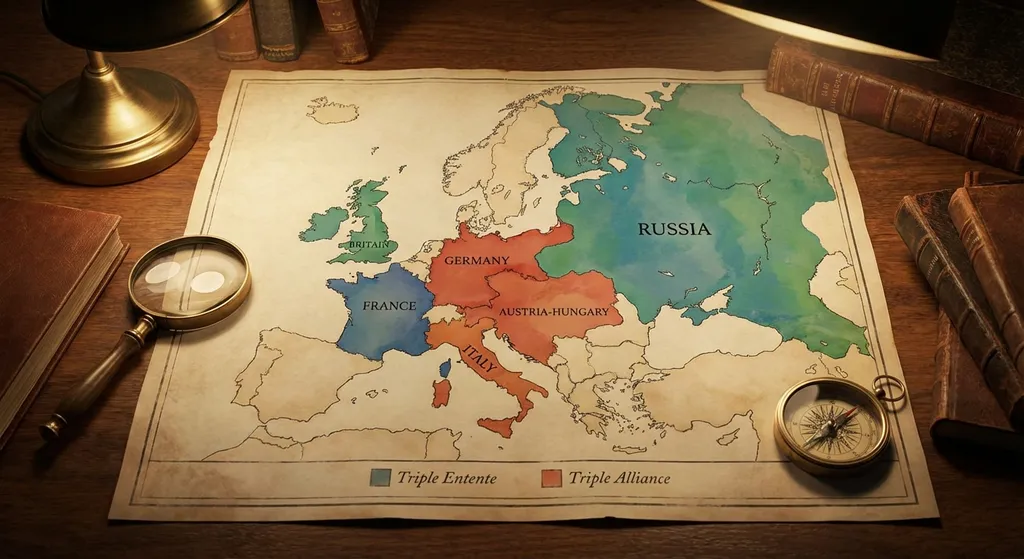
Another factor was imperialism. European powers were grabbing up colonies all over the world, leading to conflicts over territory and resources. Finally, there was militarism, a build-up of military strength. Countries were constantly trying to outdo each other in terms of weapons and army size. This created a climate of fear and suspicion, making war seem inevitable.
Key Turning Points
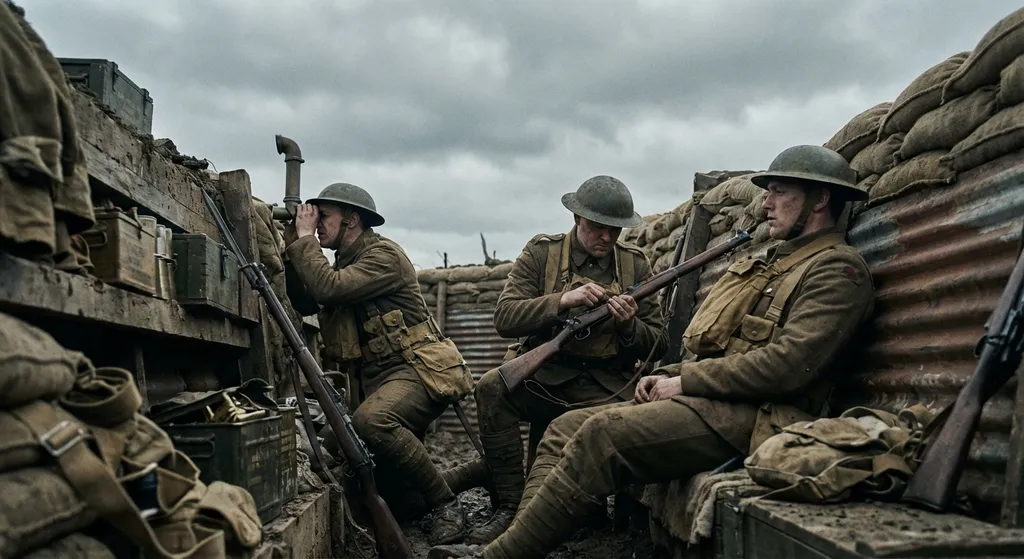
The war dragged on for four long years, with millions of soldiers fighting in horrific conditions. The trenches of the Western Front became infamous for their mud, rats, and constant threat of death. A couple of moments stand out.
The entry of the United States in 1917 was a big deal. At first, the US wanted to stay out of the war, but Germany’s unrestricted submarine warfare, which targeted American ships, forced their hand. With fresh troops and resources, the US helped turn the tide in favor of the Allied powers. Its entry demonstrated that the world was becoming more interconnected, and events far away could draw even neutral countries into the conflict.
The Battle of Verdun in 1916 became a symbol of the war’s brutal futility. The French and German armies fought for almost a year over a small piece of land, resulting in hundreds of thousands of casualties on both sides. It demonstrated the industrial scale of warfare and the terrible cost of even minor territorial gains.
The Treaty’s Treachery?
When the war finally ended in 1918, the victorious Allied powers met at Versailles to decide what would happen next. The resulting Treaty of Versailles aimed to prevent another war, but many historians argue that it actually helped set the stage for World War II.
Think of it like a poorly designed video game where one player (Germany) is constantly penalized. The treaty forced Germany to accept blame for the war, pay huge reparations, and give up territory. This crippled the German economy and created widespread resentment. It allowed extremist ideologies, such as Nazism, to take root. The feeling of injustice and humiliation fueled a desire for revenge.
The Legacy Lingers
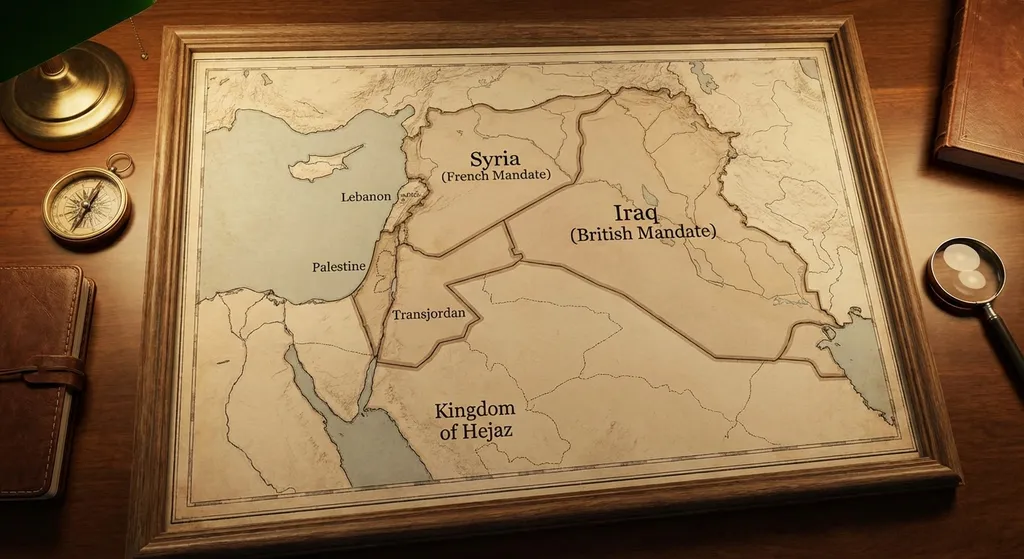
World War I didn’t just end in 1918. Its effects are still felt today. One major consequence was the collapse of empires. The Ottoman Empire, the Austro-Hungarian Empire, and the Russian Empire all crumbled, creating power vacuums that are still contested regions today. Imagine a domino effect, where the fall of one empire leads to a chain reaction of instability. The borders of many countries in the Middle East were drawn by European powers after the war, often with little regard for local populations. This has led to ongoing conflicts and tensions in the region.
The war also led to technological advancements. Machine guns, tanks, and airplanes were all used for the first time in WWI. These weapons made warfare more deadly and impersonal. It’s like modern AI development, powerful tools with both positive and destructive potential, and we must consider the ethics of their application.
Finally, WWI changed societal attitudes. Women stepped into traditionally male roles while men were at war, leading to greater calls for women’s rights. The war also led to the creation of international organizations like the League of Nations, which aimed to prevent future conflicts, although it ultimately failed. The Flu pandemic of 1918, spread by returning soldiers, killed even more people than the war itself.
Why Understanding Matters Today
World War I was a turning point in history. It reshaped the world map, sparked new technologies, and altered the course of human events. It was a complicated and tragic event with many interconnected causes and consequences. Understanding its ripple effects is crucial for understanding today’s world. By learning about the mistakes of the past, we can work to build a more peaceful and just future.
Key Takeaways:
- World War I was caused by a complex mix of nationalism, alliances, imperialism, and militarism.
- The Treaty of Versailles, while intended to prevent future wars, contributed to resentment in Germany and the rise of extremist ideologies.
- The collapse of empires and the redrawing of borders in the Middle East have had long-lasting consequences.
- Technological advancements during the war have had a profound impact on warfare and society.
- The war led to changes in societal attitudes, including the rise of women’s rights and the creation of international organizations.