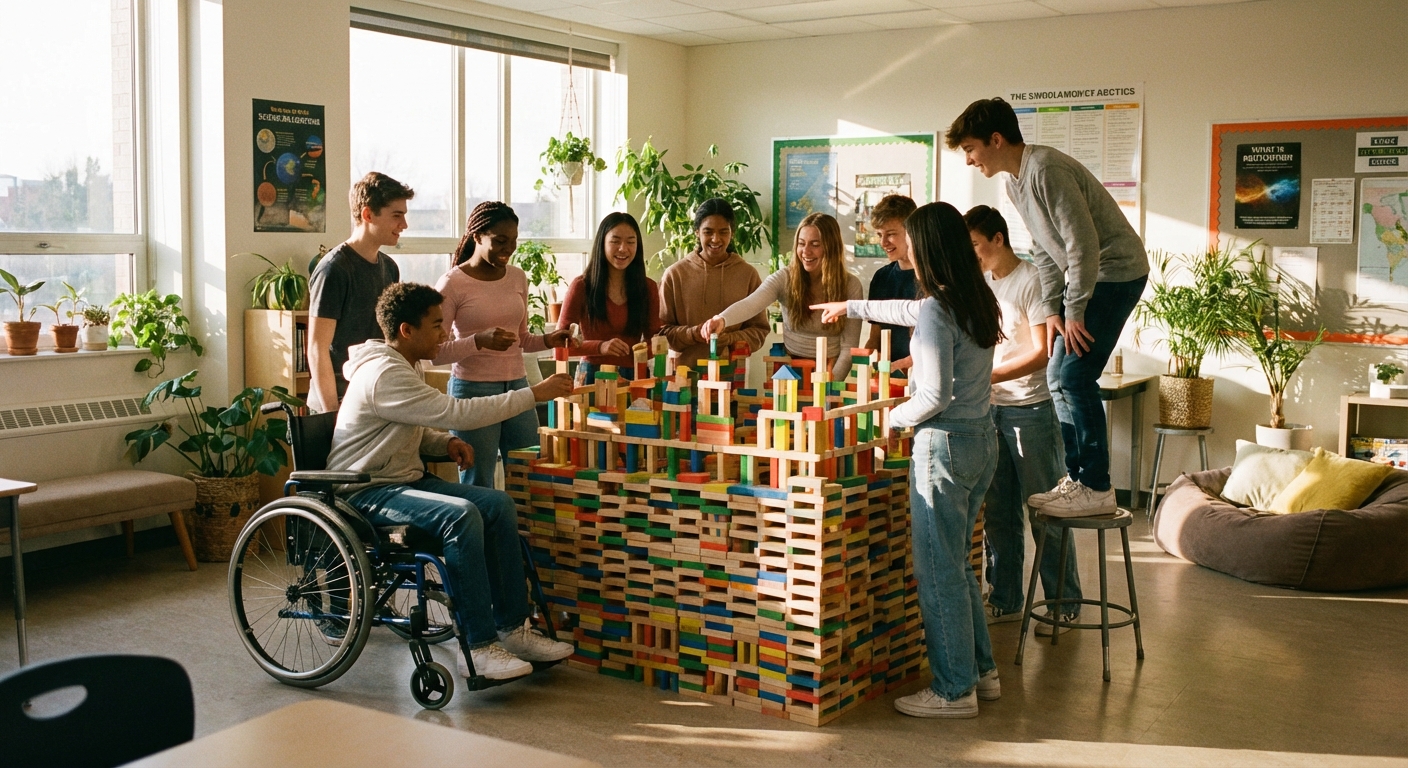
Neurodiversity
What Is Neurodiversity?
Neurodiversity is a way of thinking about the brain. It says that people’s minds work in many different ways, and that these differences are natural, not mistakes. Just as we celebrate cultural, racial, and gender diversity, neurodiversity celebrates the variety of ways we think, learn, and experience the world.
The term was first used by activists who wanted to move away from the idea that brains that don’t fit a “typical” pattern are broken. Instead, they argue that the brain is a spectrum, with many possible strengths and challenges. When we see neurodiversity as a normal part of human variation, we can create schools, workplaces, and communities that are more inclusive for everyone.
Common Neurodivergent Conditions
| Condition | How it Might Feel | Possible Strengths |
|---|---|---|
| Autism Spectrum Disorder (Asd) | Sensory overload, difficulty reading social cues, need for routine | Strong focus on interests, attention to detail, creative problem‑solving |
| Attention‑deficit/hyperactivity Disorder (Adhd) | Restlessness, trouble staying on task, impulsive decisions | High energy, quick thinking, ability to multitask |
| Dyslexia | Trouble decoding written words, slower reading speed | Strong visual thinking, big‑picture reasoning, storytelling talent |
| Dyspraxia (Developmental Coordination Disorder) | Clumsiness, difficulty planning movements, trouble with fine motor tasks | Good spatial awareness, perseverance, ability to think outside the box |
These are just a few examples. Each person may experience a condition in a unique way, and many people have more than one neurodivergent trait. It’s important to remember that a label does not define a whole person; it simply points to areas where they might need extra support or different tools.
Why Acceptance Matters
Reducing Stigma
When society treats neurodivergent traits as “problems” that must be fixed, people can feel ashamed or isolated. Stigma can lead to bullying, lower self‑esteem, and missed opportunities. By learning about neurodiversity, we can replace fear with curiosity and respect.
Building Stronger Communities
Diverse brains bring diverse ideas. A classroom where a student with ADHD shares a rapid, imaginative solution can inspire peers to think more creatively. A student with dyslexia might excel at visual design, adding a fresh perspective to group projects. When we value all contributions, teamwork becomes richer and more effective.
Supporting Success
Acceptance means providing the right accommodations—like extra time on tests, quiet workspaces, or visual instructions. These tools level the playing field, allowing neurodivergent students to showcase their abilities. When schools and workplaces adapt, everyone benefits from a more flexible, innovative environment.
Growing Empathy
Understanding neurodiversity helps us see the world through different lenses. This builds empathy, a skill that’s valuable in friendships, families, and future careers. Empathy also encourages us to speak up when we notice unfair treatment, creating a culture of kindness.
Takeaway: Neurodiversity reminds us that brains are as varied as the colors in a rainbow. By learning, accepting, and supporting these differences, we help everyone reach their full potential and make our world more vibrant.