
The History of the Internet: From ARPANET to Today
Imagine a world without TikTok, where Google doesn’t exist, and Wikipedia is just a really dusty encyclopedia set. Sounds weird, right? But the internet as we know it wasn’t inevitable. It’s a story of accidents, bright ideas, and a whole lot of people figuring things out as they went along. Get ready for a wild ride!
The Cold War Spark: The Internet’s Research Origin
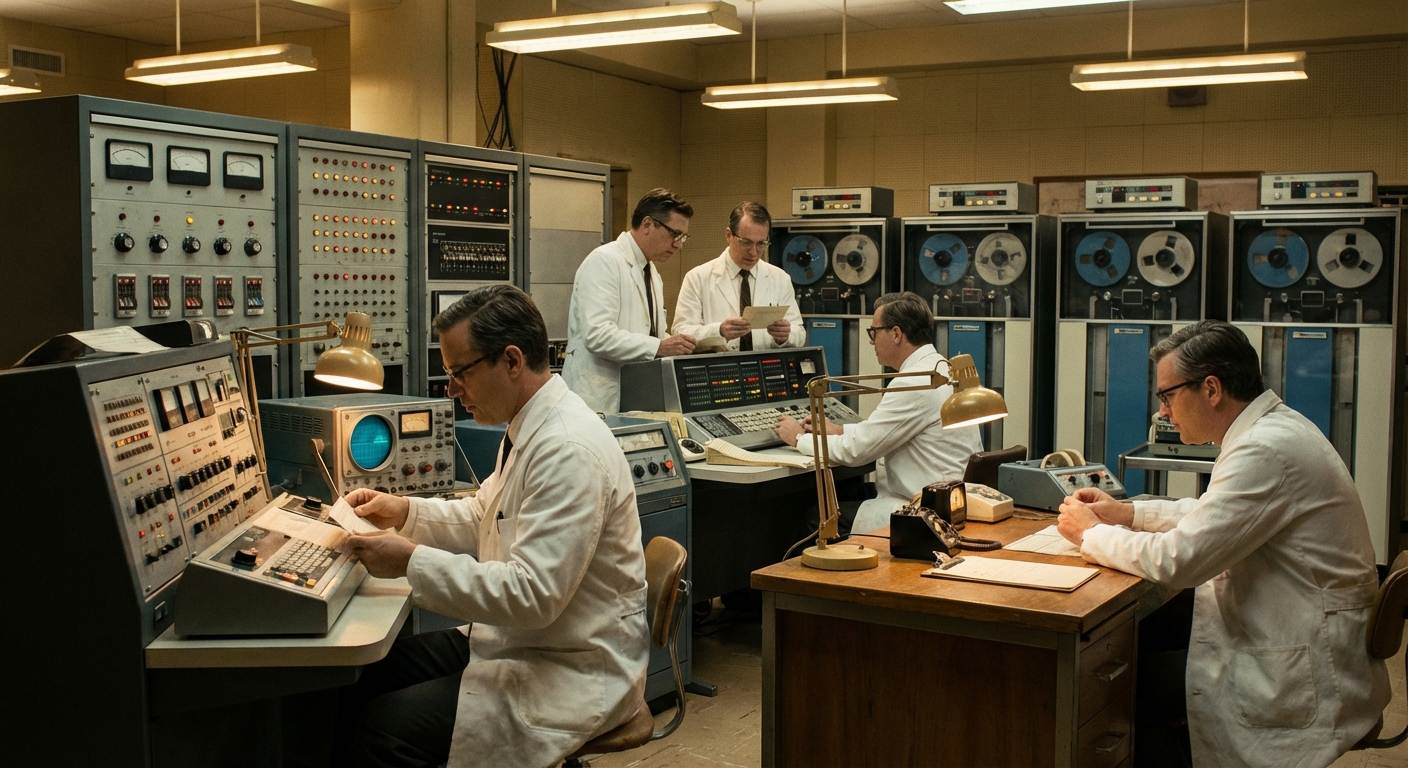
Believe it or not, one of the internet’s ancestors was a research project created during the Cold War. In the 1960s, the U.S. Department of Defense’s Advanced Research Projects Agency funded work on connecting computers so researchers could share computing resources. The result was ARPANET (Advanced Research Projects Agency Network), which also helped develop resilient packet‑switched networking.
Think of ARPANET as a small research network. It was not open to everyone; participating universities and research labs needed compatible computers and connections. Sort of like beta testing a new system, but with world‑changing consequences. This early version was basic. It was built to share computing resources and information, and it planted an important seed.
”Killer Apps” and Network Effects: When the Internet Got Cool
ARPANET was cool and all, but what really made the internet take off? Two words: killer apps.
First up, email. Can you believe the first email was sent in 1971? Probably something boring like “testing…1…2…3…” Nobody remembers the first message, but email became the thing that made people want to get online. It was like TikTok for the ’70s, hooking people in and making them part of the network.
Then came Tim Berners-Lee, who invented the World Wide Web in 1989. He could have patented his idea and become a billionaire, but he made it free. That’s right, free! Without the World Wide Web, we wouldn’t have easy-to-use web browsers to surf the internet! He basically handed the world the keys to the information superhighway. It wasn’t pre-ordained. It was a choice.

The Rise and Fall (and Rise Again!) of the Dot-Coms: The Internet’s Gold Rush
Fast forward to the late 1990s. The internet was booming. Everyone and their dog was starting an internet company. This was the dot-com boom! People threw money at anything with a “.com” at the end. It was like a gold rush, but instead of pickaxes, they used dial-up modems.
But, like all gold rushes, it couldn’t last forever. A lot of these companies had terrible ideas and no way to make money. So, the bubble burst. The stock market crashed, and tons of dot-coms went bust.
But here’s the thing: the dot-com bust wasn’t the end. It was a learning experience. It cleared out the bad ideas and made way for the companies that actually had something to offer. Think Amazon, Google, and eBay. They survived, learned, and thrived.
The Mobile Revolution and Social Media: The Internet Goes Everywhere
The internet used to be something you did at a desk. Then came smartphones. Suddenly, the internet was in your pocket, your backpack, everywhere. This changed everything.
And then there’s social media. The town square, but online. Where everyone can see your embarrassing childhood photos. Social media connected people in ways never imagined. It also created a whole bunch of new problems we’re still trying to figure out.

The Future is Unwritten: What Happens Next?
The internet is still a work in progress. It’s constantly changing. New technologies like AI and the metaverse are already starting to reshape it. And you, yeah you, are going to be the ones shaping its future. What problems will you solve? What cool new things will you create? The possibilities are endless.
Key Takeaways:
- The internet wasn’t planned to be what it is today.
- Key inventions like email and the World Wide Web were crucial for its growth.
- The dot-com bubble was a wild ride, but we learned from it.
- Mobile and social media transformed how we use the internet.
- You have the power to shape the internet’s future!