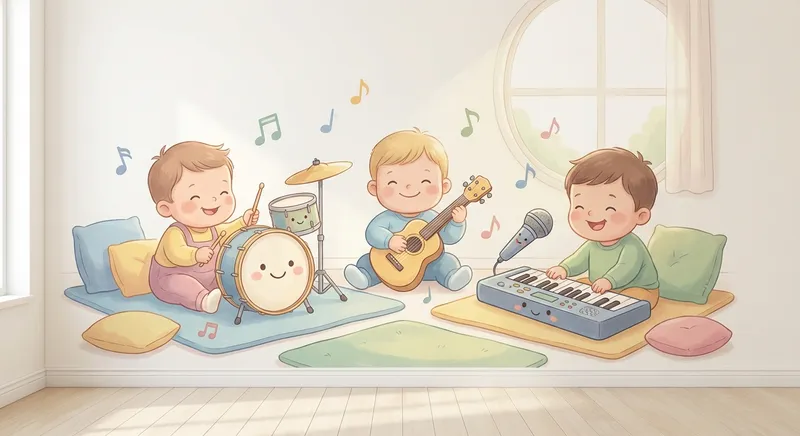
🎤 Voice Games Fun for Preschool Voices
Voice games help little learners notice sounds, stretch their words, and feel brave sharing their voice. Each playful activity keeps things short, silly, and age-appropriate so families can jump right in without prep.
Fun Games to Play
Start with simple echoes. Say a favorite word like “sunshine” and invite your child to repeat it softly, loudly, or in a whisper. Switch to “robot voice” or “sleepy voice” to explore pitch and expression together.
Make Some Noise
Take turns copying sounds you hear every day—like a meowing cat, a buzzing bee, or a car zooming by. Let your child go first so they feel in charge, then follow their lead. This strengthens listening skills and turn-taking.
Be Silly
Mix in movement to keep energy high. Pair a silly sound with clapping, marching, or pretending to bounce like a ball. Laughter helps little voices relax, which builds confidence for future storytelling and singing.
Why Voice Games Matter
Echoing and rhythm play gently introduce phonemic awareness—the skill of hearing and manipulating sounds—which is a key building block for later reading success. These quick games also support social skills because children practice waiting, listening, and responding with a partner.
Continue the adventure
Download Surprise Button for iPad
A simple, safe way for kids to explore the internet. With one tap, they discover something new — a fun fact, a science experiment, a story, or a place in the world they never would've searched for.
Download on the App StoreYour child explores safely on Surprise Button App
How Volcanoes Form
From Magma to Mountain
Volcanoes grow where tectonic plates collide or drift apart. Heat melts rock into light, buoyant magma that rises, cools, and hardens near the surface, building the cone layer by layer.
Know exactly what to talk about tonight