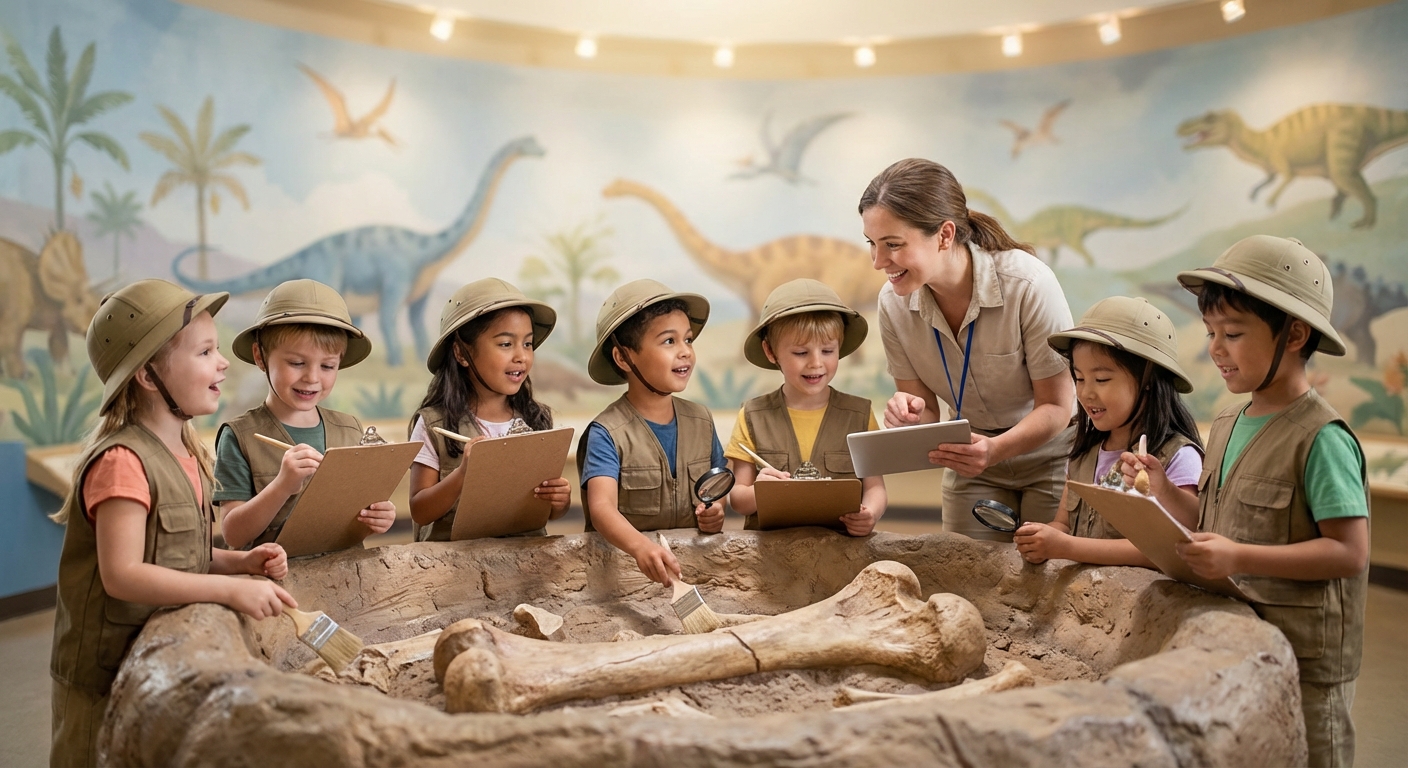
Dinosaur Discoveries: Unearthing the Past
Have you ever wondered how we know so much about dinosaurs that lived millions of years ago? The answer lies with some super-smart detectives called paleontologists!
The Dinosaur Detectives
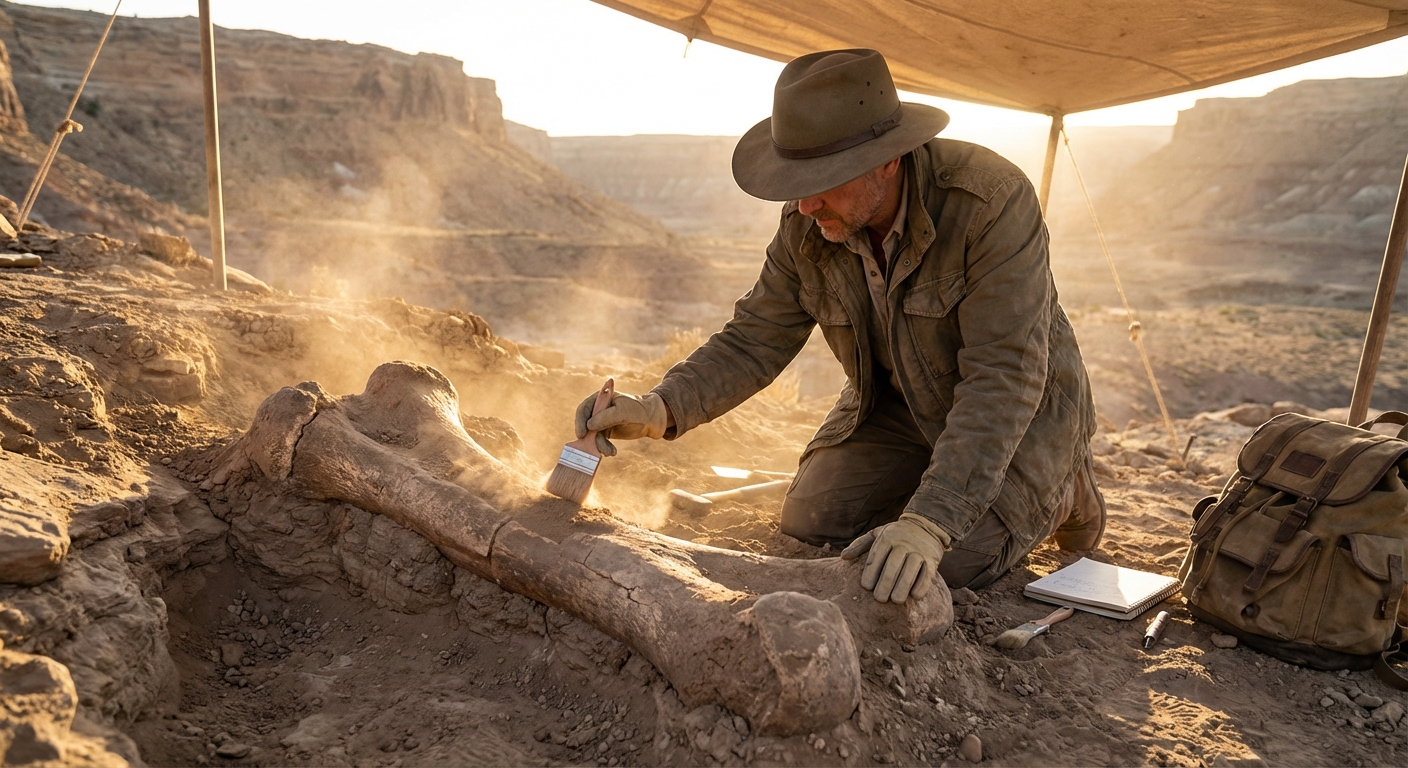
Paleontologists are like real-life treasure hunters, but instead of searching for gold, they dig in the ground to find clues about dinosaurs. They’re like detectives solving a really old mystery, a dinosaur mystery! Why are they digging? They want to learn about these amazing creatures that roamed the Earth long before us.
Clue #1: Bones!
The most important clues paleontologists find are fossilized bones. What’s a fossil? Imagine you stepped in some mud. If that mud turned to stone, your footprint would stay there forever! That’s kind of how fossils are made. Over many, many years, mud and minerals turn into rock, and sometimes they trap the shapes of dinosaur bones! These rocky bones tell us a lot about the dinosaurs.
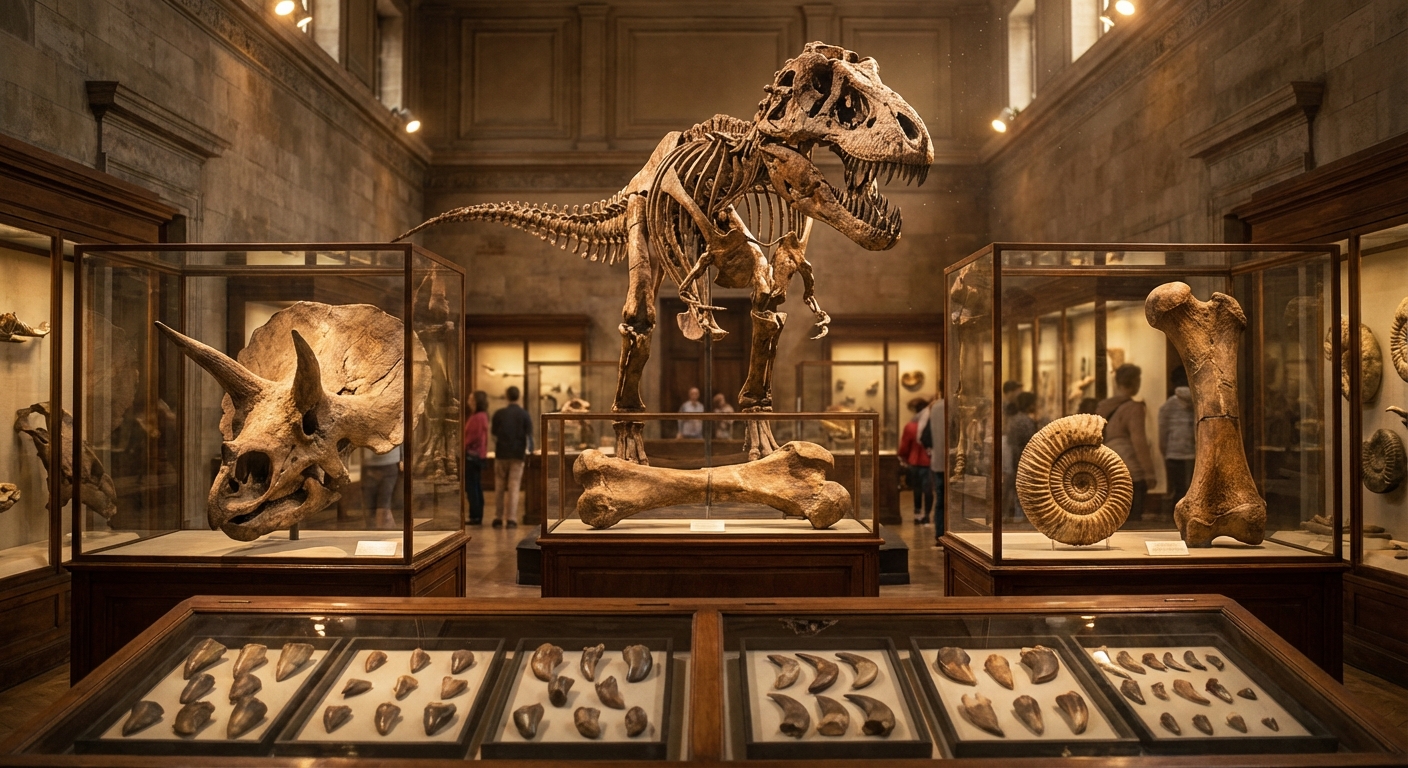
Think about a T-Rex tooth. It’s big and pointy, perfect for tearing meat! Now imagine a Triceratops horn. It’s long and sharp, used for protection. By studying these bones, paleontologists can figure out what dinosaurs ate and how they defended themselves. It’s like finding puzzle pieces, each bone shows us a small piece of the dinosaur.
Clue #2: Footprints!
Sometimes, paleontologists find fossilized footprints! These aren’t just any footprints, they’re dinosaur footprints turned to stone. If you find muddy footprints inside your house, you know someone walked there, right? Dinosaur footprints are just like that!
By looking at footprints, scientists can guess how big a dinosaur was and even if it traveled in groups. They can also see how fast a dinosaur was walking or running! Imagine a set of giant footprints marching across the land. What a sight that must have been!
Clue #3: Poop! (Coprolites)
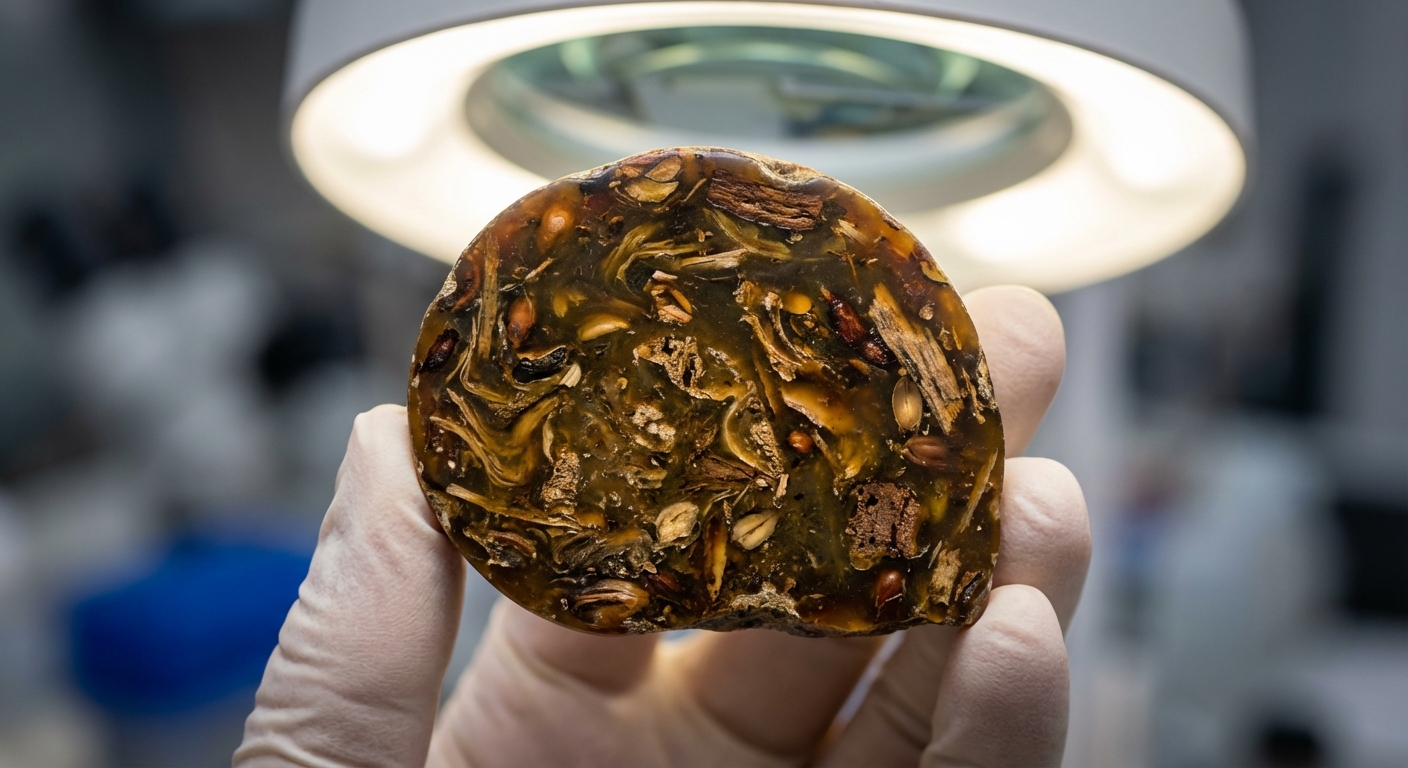
Here’s a funny clue: dinosaur poop! Scientists call fossilized poop “coprolites.” Yes, it’s dinosaur poop that turned into rock. And guess what? It can tell us what dinosaurs ate! By studying coprolites, paleontologists can find bits of plants or bones that dinosaurs swallowed. That is one stinky, but useful, clue!
Putting the Pieces Together
Finding clues is only the beginning. Paleontologists have to carefully clean the fossils and then put them together, like a giant puzzle. They might spend years working on just one dinosaur skeleton!
It’s a slow and careful process, but when they finally put all the bones in the right place, they can see what the dinosaur looked like. It’s amazing to see a dinosaur skeleton standing tall in a museum, knowing it was once a living, breathing creature!
You Can Be a Dinosaur Detective!
You don’t have to dig up real dinosaurs to be a dinosaur detective. You can start by looking for cool rocks in your backyard or at the park. You can also draw your own dinosaurs and imagine what they ate and where they lived. Remember, some dinosaurs had feathers, like birds!
Dinosaurs didn’t all live at the same time, and they weren’t all huge. Keep learning, keep exploring, and who knows, maybe one day you’ll discover something amazing about dinosaurs too!
Key Takeaways:
- Paleontologists are like detectives who solve the mysteries of dinosaurs.
- Fossils, including bones, footprints, and even poop, give us clues about dinosaurs.
- Putting together a dinosaur skeleton is like solving a giant puzzle!
- You can be a dinosaur detective by exploring and learning about the world around you.