🌊 Tiny Oceans: Discovering Tidepools
When the sea pulls back, it leaves tiny lakes on the beach. These are Tidepools—small, watery worlds full of amazing creatures.
1. What Is a Tidepool?
A tidepool is a shallow bowl of seawater that stays on the sand or rocks when the tide goes out. It’s like a pocket of the ocean that you can see from the shore.
2. Who Lives Inside?
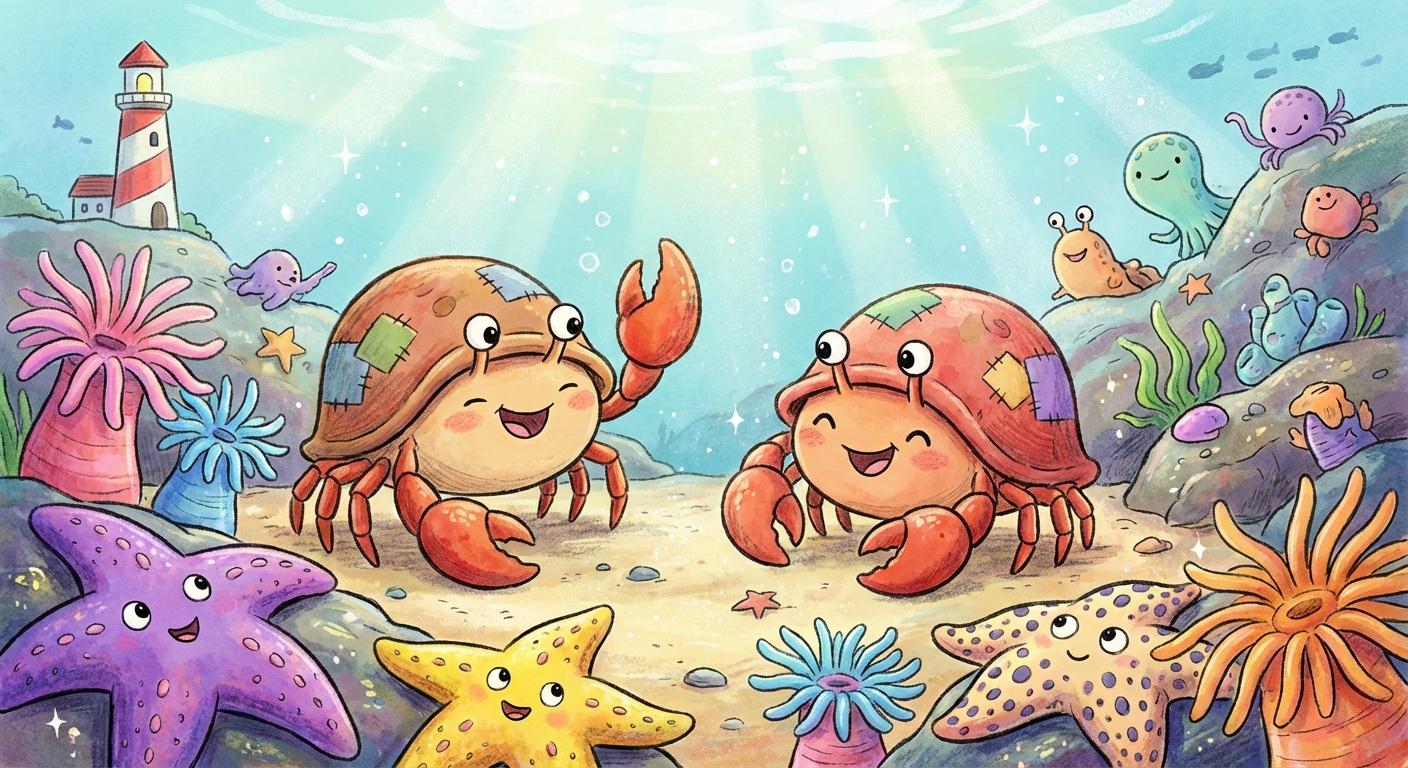
- Sea Stars (star‑shaped animals) crawl on the rocks.
- Crabs scuttle sideways, hiding under shells.
- Snails glide slowly, leaving a shiny trail.
- Tiny Seaweed sways like underwater grass.
These animals are small, but they are strong enough to live where the water comes and goes.
3. How Does a Tidepool Form?
When the water level drops, the low parts of the beach keep water trapped. The water is warm from the sun and cool from the sea, so the animals can breathe and find food. When the tide comes back in, the pool mixes with the big ocean again.
4. Explore with Your Senses
- Look: Spot bright colors and shapes.
- Touch: Gently feel a rock—some pools are smooth, others rough.
- Listen: Hear tiny bubbles and the splash of tiny waves.
Remember to be gentle; the creatures need a safe home.
Did You Know? 🤔
A single tidepool can be home to More Than 20 Different Kinds Of Animals, even though it’s only as big as a small bathtub!
Conclusion – Go Find a Tiny Ocean!
Next time you visit the beach, keep an eye out for tidepools. Bring a magnifying glass, a notebook, and a big smile. You’ll be a tidepool explorer, discovering the secret lives of the sea right at your feet! 🌟