How Animals Changed over Millions of Years
Introduction
Ever wondered why a tiny mouse looks so different from a massive dinosaur? The answer lies in Evolution – the slow, steady change of living things over millions of years. In this adventure we’ll explore why animals look the way they do, how they adapt to new homes, and even try a mini‑experiment you can do at home!
1. The Big Idea: Evolution in Action
Animals don’t stay the same forever. Small Mutations (tiny changes in DNA) can give a creature a new trait, like a longer neck or a sharper claw. If that trait helps the animal survive, it is more likely to have babies who inherit it. Over many generations, those helpful traits become common, and the species Adapts (adjusts) to its environment.
Did you know? The longest‑lived animals on Earth, like horseshoe crabs, have changed only a little in 500 Million years—longer than the time dinosaurs roamed!
2. From Sea to Land: The First Great Journey
Around 380 million years ago, some fish lineages already had lungs or lung-like organs and sturdy, lobed fins. Across many generations, their descendants evolved weight-bearing limbs and other features useful in shallow water and on land, eventually giving rise to early tetrapods.
Cause & Effect:
- Cause: Shallow habitats could have low oxygen, changing water levels, new food sources, and different predators. Air breathing and strong fins could help in those environments.
- Effect: Over evolutionary time, some descendants became increasingly suited to moving and living on land.
Example: Tiktaalik had a mixture of fish-like and tetrapod-like features, including fins with wrist-like bones and a movable neck. It is one of several fossils that help document the transition.
3. The Age of Dinosaurs to the Age of Mammals
When the mighty dinosaurs ruled (about 230–66 million years ago), mammals were tiny, mouse‑sized creatures hiding in the shadows. After a massive asteroid slammed into Earth, most dinosaurs vanished. This opened a huge Ecological Niche (an open job for an animal to fill).
Mammals quickly diversified: some grew big, some grew fast, and some grew clever.
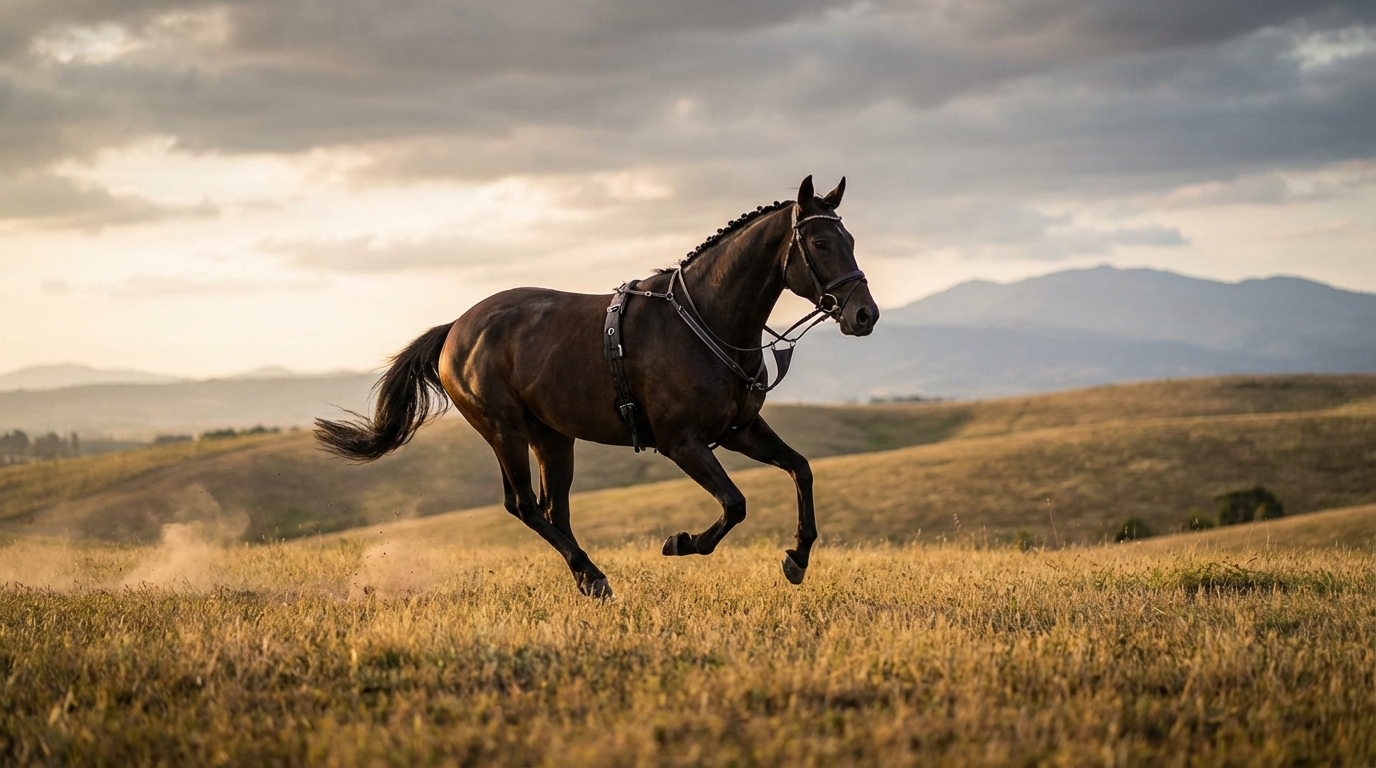
- Example: The tiny early horse, Eohippus, was about the size of a dog and had many toes. Over 50 million years, its descendants grew taller, lost extra toes, and developed strong hooves for running on open plains.
Cause & Effect:
- Cause: Open grasslands spread across continents.
- Effect: Horses needed faster running and stronger legs, so natural selection favored those traits.
4. Mini‑experiment: “spot the Change”
What You Need
- Two pictures of the same animal from different time periods (e.g., a fossil turtle vs. a modern turtle).
- A piece of paper and a pencil.
Steps
- Look closely at the two pictures.
- List at least three differences (size, shell shape, number of toes, etc.).
- Write a short story about why each change might have helped the animal survive in its world.
What You’ll Learn: This activity shows how Cause And Effect works in evolution—environmental changes push animals to develop new features.
The story of life on Earth is a never‑ending mystery, written in rocks, bones, and living creatures. Every time you see a squirrel’s bushy tail or a butterfly’s bright wings, remember the millions of tiny steps that got them there. Grab a notebook, visit a park, and become a junior paleontologist—who knows what “missing link” you might discover next! 🌱🚀