Dolphin Detectives: Discover Dolphins
Welcome, junior explorers! In this article you’ll learn how dolphins live, why they’re so clever, and even try a splash‑y experiment at home.
Dolphins are marine mammals that love to jump, play, and chat with each other using clicks and whistles. Unlike fish, they breathe air through a blowhole on the top of their heads and give birth to live babies called calves. Let’s dive into the secrets of these friendly sea‑creatures!
1. Dolphin Anatomy: Built for the Ocean
- Streamlined Body – Their smooth, torpedo‑shaped bodies reduce water resistance, letting them swim up to 25 miles per hour.
- Blowhole – A breathing opening on top of the head. A visible cloud near a dolphin’s breath can include condensed water vapor and seawater around the blowhole.
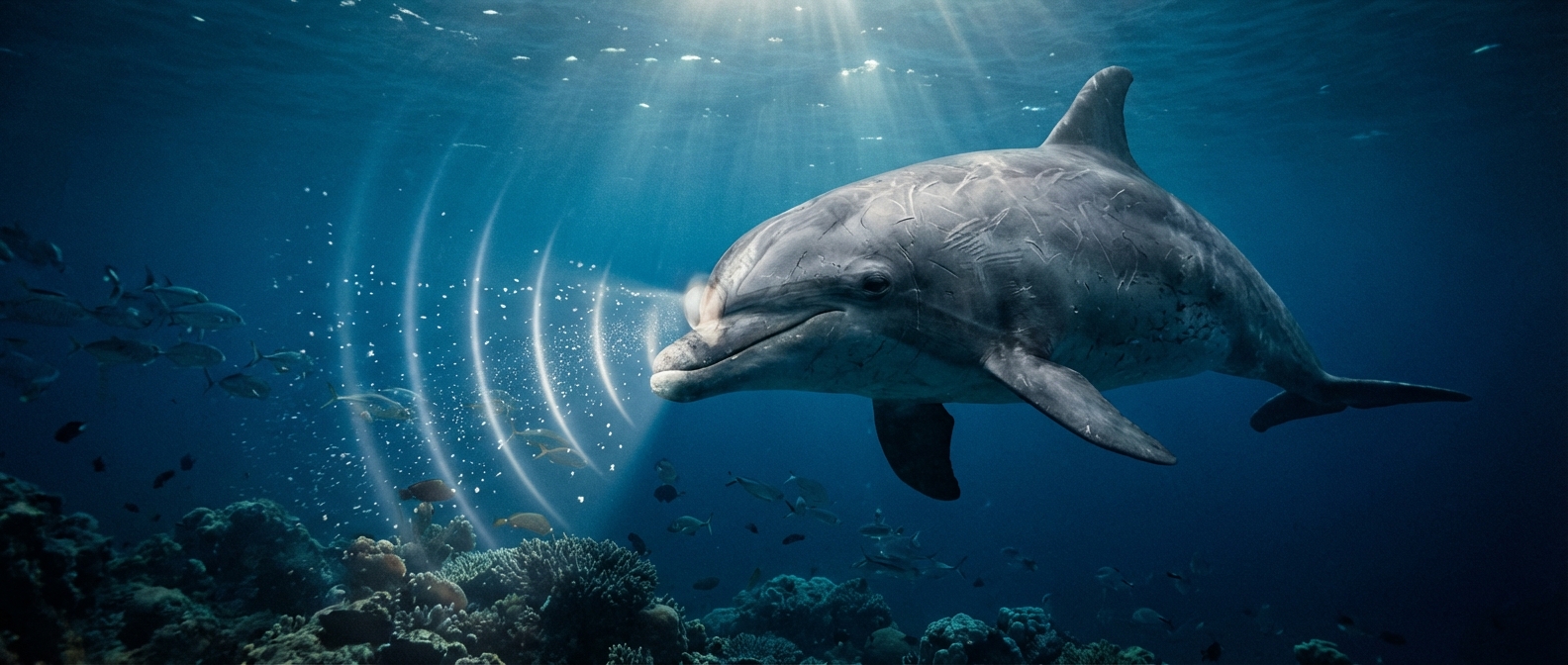
- Echolocation – Dolphins send high-frequency clicks and listen to returning echoes. Echo timing and sound can help them judge an object’s distance and other features.
Did You Know? Dolphin clicks can be intense near the animal, while their hearing is also sensitive enough to detect useful returning echoes. Exact hearing ability depends on frequency, distance, noise, and the individual.
Cause and Effect
If a dolphin’s environment becomes noisy, sound from boats or other sources can mask communication or echolocation signals and affect behavior.
2. Social Life: Pods, Play, and Communication
Dolphins live in groups called Pods—often 5‑20 members, but sometimes hundreds. They cooperate to hunt, protect each other, and teach youngsters.
- Playful Behavior – Surfing on waves, leaping out of the water, and tossing seaweed are all signs of joy and learning.
- Language – Each dolphin has a unique “signature whistle” like a name. When they hear it, they know who’s calling!
Example: In controlled studies, dolphins have learned to respond to trained hand gestures and combinations of symbols. Training results show learning and memory, but researchers avoid assuming that dolphin communication works exactly like human language.
3. Dolphin Diet: The Hunt for Fish and Squid
Dolphins are carnivores, meaning they eat meat. Their favorite meals are small fish, shrimp, and squid.
- Cooperative Hunting – A pod may work together to herd fish into a tight group. Some bottlenose dolphins in shallow water stir up a ring of mud that causes fish to jump into the dolphins’ path. Bubble-net feeding, however, is best known in humpback whales.
- Energy Balance – The more they eat, the more energy they have for swimming, jumping, and caring for their calves.
Mini Experiment: “echo Hunt”
What You Need:
- A shallow bowl of water
- A small waterproof object (like a marble)
- A spoon
Steps:
- Drop the marble into the bowl and listen for the splash.
- Tap the side of the bowl with the spoon and watch the ripples travel.
- Imagine the ripples as the dolphin’s sound waves and the marble as a fish.
Observation: The ripples spread outward, bounce off the bowl’s edge, and return—just like echolocation!
4. Conservation: Protecting Our Dolphin Friends
Human activities can threaten dolphins: pollution, fishing nets, and habitat loss.
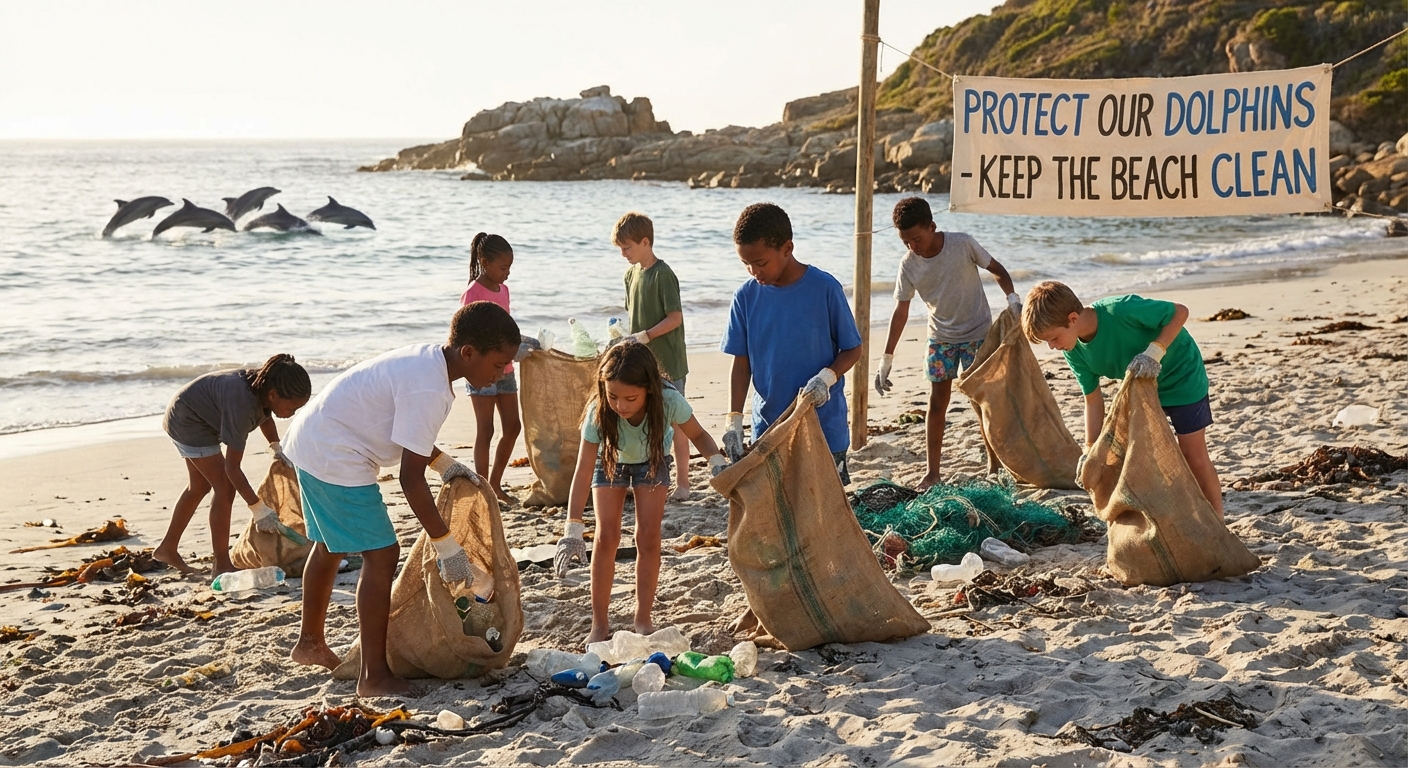
- Cause And Effect: When plastic waste floats in the ocean, dolphins may mistake it for food, leading to injury or death.
- What You Can Do: Reduce single‑use plastics, support beach clean‑ups, and spread the word about marine protection.
Simple Activity: Dolphin‑inspired Storyboard
- Draw a dolphin using the facts you learned (body parts, pod, hunting method).
- Write a short story (4‑5 sentences) about a day in the life of that dolphin.
- Share your storyboard with family or classmates and discuss how dolphins help keep the ocean healthy.
Dolphins are not just cute sea‑animals; they are intelligent, social, and vital members of marine ecosystems. By learning about their anatomy, behavior, and challenges, you become a dolphin detective ready to protect the waves. Keep exploring, ask questions, and maybe one day you’ll hear a dolphin’s signature whistle calling your name!