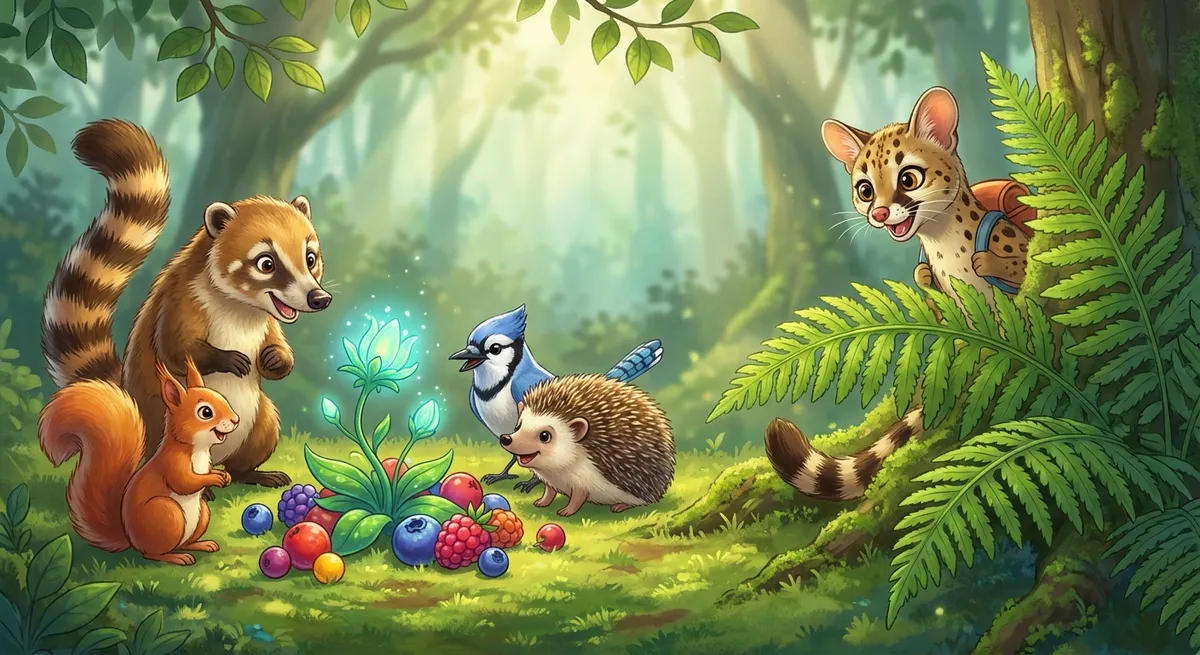
Invasive Animals: When New Neighbors Take Over
What Is an Invasive Animal?
An invasive animal is a creature that did not grow up in an area but has moved there.
It spreads fast and can hurt the plants and animals that already live there.
Think of it as a new neighbor who moves in without asking and makes a big mess.
Mini‑experiment: Spot an Invasive Guest
What You Need
- A notebook or a piece of paper
- A pencil or crayon
- A safe outdoor spot (garden, park, pond edge)
Steps
- Walk around the area and look for animals you don’t usually see there.
- Sketch each animal you find and write down where you saw it.
- Ask an adult to help you check if the animal is native or invasive.
- Talk about how the animal might affect the plants and other animals around it.
Tip: If you see a creature you’re not sure about, take a photo (with permission) and compare it to a field guide later.
Quick Quiz
-
What Does “Invasive” Mean?
- A) An animal that lives in its natural home
- B) A non‑native animal that spreads quickly and can harm other species
-
Why Can Invasive Animals Cause Problems For Native Animals?
- A) They share the same food and have no natural predators
- B) They always help native animals find food
-
Which Of These Is An Example Of An Invasive Animal In The United States?
- A) Bald eagle
- B) Burmese python
Takeaway
By noticing new neighbors and learning how they affect nature, we can help keep ecosystems healthy.
You can share what you discover with friends, family, and teachers. Together we protect our wild world!