
Greek and Roman Art: A Time‑travel Adventure
Welcome, Junior Explorers!
Imagine stepping into a magic portal that whisks you back to ancient Greece and Rome. You’ll see marble statues that seem alive, colorful wall paintings that tell stories, and tiny gold jewelry that sparkles like stars. Let’s travel together and discover how art helped people long ago Express Ideas, Celebrate Victories, And Share Myths.
1. The Birth of Classical Beauty
Greek artists loved Balance (symmetry) and Idealism (making things look perfect).
- Statues: Think of the famous Discobolus (the discus‑thrower). Sculptors carved the human body in smooth marble, showing muscles in motion.
- Cause & Effect: Greeks believed a well‑shaped body reflected a well‑ordered mind. So, they built schools called gymnasia where youths trained both body and mind, and the statues celebrated that harmony.
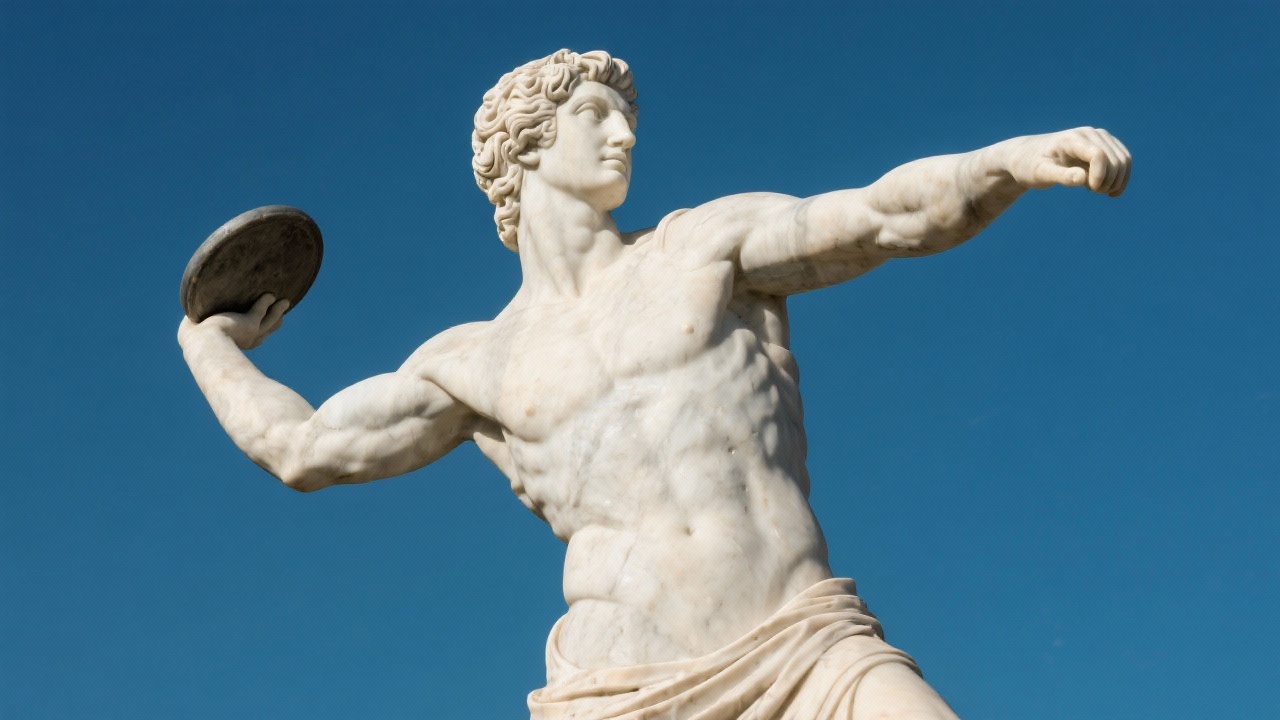
Did You Know? Greek and Roman marble sculptures were often painted. Eyes could be painted or made with inlaid materials such as glass or stone, while some bronze statues used separate materials for details.
2. Roman Remix: from Marble to Mosaics
When the Romans took over, they borrowed Greek ideas but added their own flair.
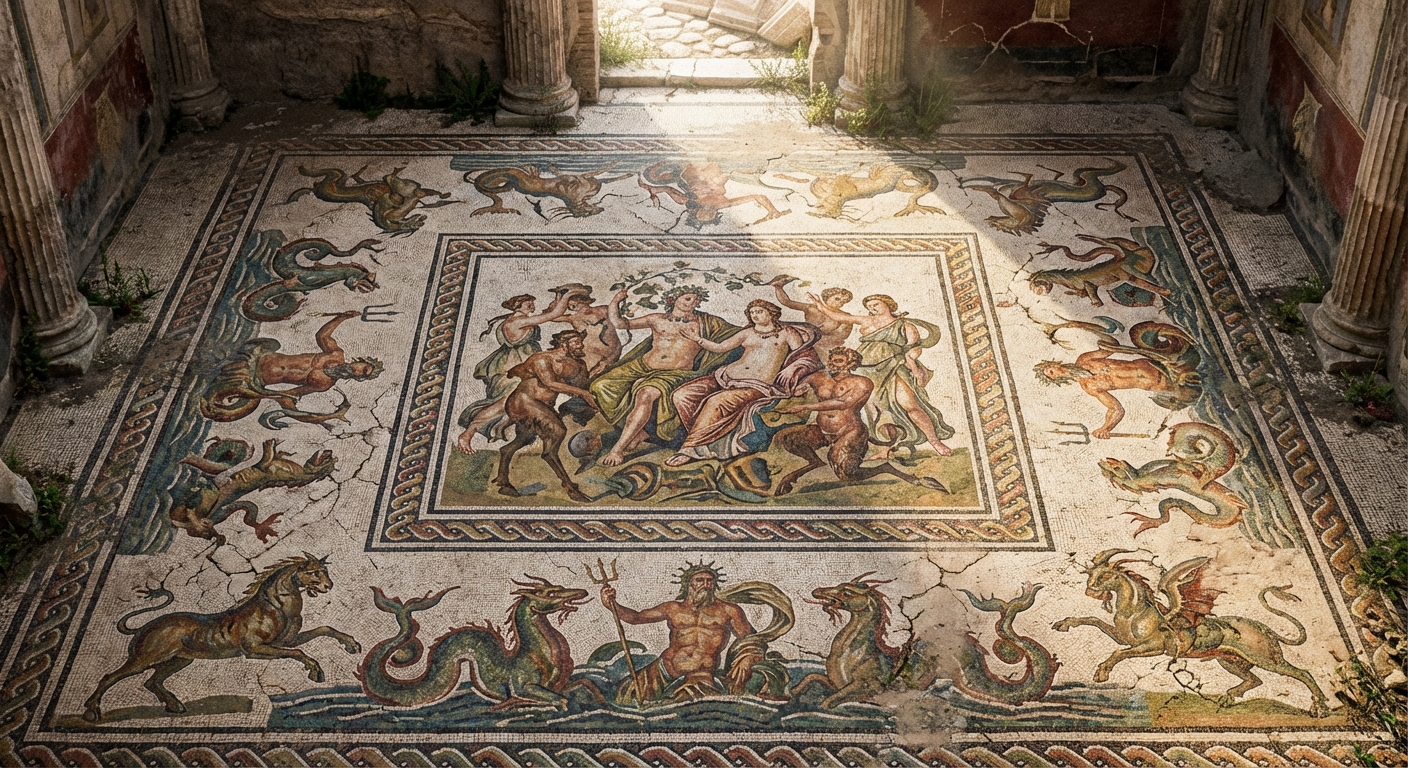
- Mosaics: Tiny colored stones (called tesserae) were glued together to make pictures on floors and walls.
- Example: The Mosaic of Achilles and the Centaur shows a heroic scene using thousands of little squares—like a giant, ancient LEGO set!
Cause & Effect: Romans loved grand public spaces like baths and amphitheaters. To impress visitors, they covered these areas with dazzling mosaics, which made the buildings feel Luxurious (very fancy) and Durable (hard to damage).
Mini Experiment:
- Cut a piece of cardboard into a 5 × 5 grid.
- Color each square with crayons to make a simple picture (e.g., a smiley face).
- Glue the squares onto the board. You’ve just created a tiny mosaic!
3. Painting the Walls: Frescoes and Mythic Tales
Both Greeks and Romans painted walls to tell stories.
- Fresco: Artists mixed pigment with water and painted on Wet Plaster. As the plaster dried, the colors became part of the wall—so the picture could last for centuries!
- Example: The Villa of the Mysteries in Pompeii shows a mysterious ritual in bright reds and blues.
Cause & Effect: Because frescoes were permanent, they were perfect for recording Myths (stories about gods) and Historical Events. Families could look at the walls and remember their ancestors’ heroes every day.
4. Tiny Treasures: Jewelry and Everyday Art
Even everyday objects became artful.
- Gold Rings & Brooches: Romans engraved tiny scenes of battles or animals.
- Pottery: Greeks painted black‑figure and red‑figure designs on vases, showing scenes of everyday life and legends.
Did You Know? Some Greek vases were “Signature Pieces”—the artist would sign his name, just like a modern painter!
Simple Activity: Make a Fresco-Inspired Painting
Materials
- Thick watercolor paper
- Clean water in a shallow cup
- Watercolor paints
- Paintbrush
Steps
- Place the paper on a washable surface and brush it lightly with clean water.
- While the paper is damp, paint a simple picture.
- Let it dry flat, then notice how the color spread through the wet surface.
History Note: This is only a safe paper model. In a true buon fresco, artists apply pigment to fresh lime plaster, and chemical changes as the plaster sets bind the color into the wall.
Conclusion: Keep the Time‑travel Going!
You’ve just uncovered a slice of Greek and Roman creativity. From marble statues that capture motion, to mosaics that sparkle under foot, to wall paintings that whisper myths, art was the Language Of The Ancient World.
Now it’s your turn to be an art‑archaeologist: visit a museum, explore a local historic building, or try more ancient‑style projects at home. Who knows what stories you’ll discover next? 🌟
Happy traveling, young artists!