Taigas
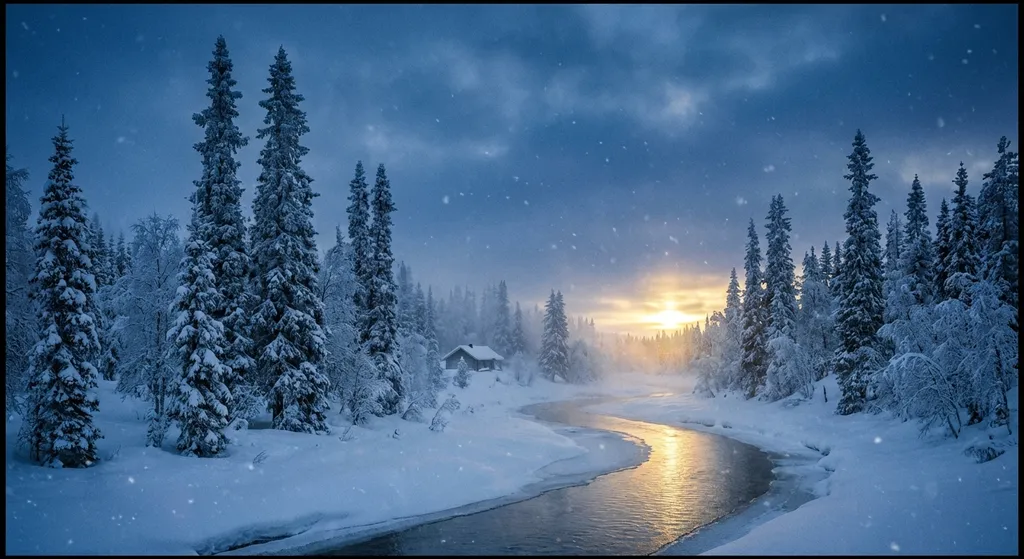
The taiga, also called the boreal forest, is a massive belt of trees that circles the Earth near the North Pole. It stretches across Canada, Russia, Scandinavia, and Alaska. Even though it looks cold and quiet, the taiga is full of life, mystery, and surprising science!
1. What Makes a Taiga a Taiga?
- Cold‑tolerant Conifers – Most trees are pines, spruces, and firs that keep their needles year‑round. Their Needle‑like Leaves (a fancy term for “needles”) lose less water than broad leaves, which helps them survive freezing winters.
- Permafrost Ground – Below the surface, the soil stays frozen for many months. This Permafrost slows down the decomposition of dead plants, so the forest floor is covered with a thick Moss Carpet.
- Short Growing Season – Summer lasts only 2–3 months, so plants must grow fast.
Cause And Effect: The long, cold winters limit the number of insects that can eat the trees, which lets the conifers grow tall and dense. In turn, the dense canopy shades the ground, keeping the soil cooler and preserving permafrost.
2. Animals That Call the Taiga Home
- Caribou (Reindeer) – They migrate thousands of kilometres, following the fresh growth of lichens (tiny plants that grow on rocks).
- Snowy Owl – Their white feathers blend with the snow, a perfect example of Camouflage (the ability to hide by looking like the surroundings).
- Lynx – With big paws that act like snowshoes, they can walk silently over deep snow.
Did You Know? A single caribou can eat up to 30 kg of lichens each day—about the weight of a small backpack!
3. How the Taiga Helps the Whole Planet
- Carbon Storage – Trees absorb carbon dioxide (CO₂) from the air and lock it in their wood. The taiga stores more carbon than any other terrestrial ecosystem, helping to slow climate change.
- Water Cycle – When snow melts in spring, the water drains into rivers that eventually reach the oceans, supporting fish and people far away.
Cause And Effect: If the taiga were to disappear, the stored carbon would be released back into the atmosphere, making global warming worse. Protecting the taiga helps keep the planet cooler.
4. Mini Experiment: “grow a Needle‑leaf”
What You Need:
- A pine needle (or a small sprig of evergreen)
- A clear plastic cup
- Water
- A sunny windowsill
Steps:
- Fill the cup with water and place the needle inside.
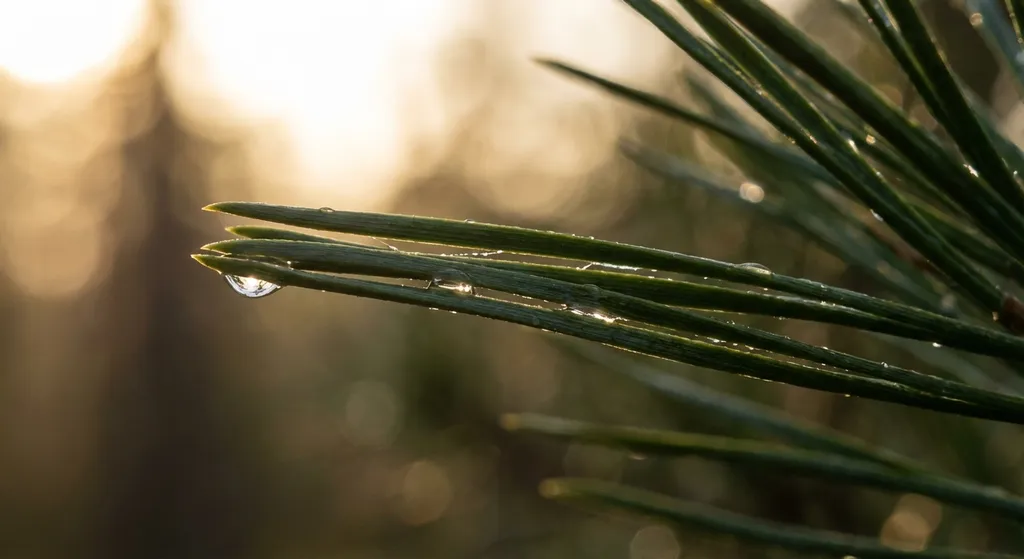
- Put the cup on the windowsill and watch for Capillary Action (the way water climbs up the tiny tubes inside the needle).
- After a few days, notice how the tip of the needle stays green while the base may turn brown.
What You Learn: This shows how conifer needles pull water up from roots to the tip, even in cold, dry air.
Simple Activity: “taiga Soundscape”
Gather friends or family and close your eyes. Play recordings of wind rustling through spruce trees, caribou calls, and distant owl hoots. Then, try to Draw or Write a short story about a day in the taiga, using at least three new words you learned (e.g., permafrost, camouflage, lichen). Share your creations with the class or on a family board!
Quick Quiz
Test what you’ve learned with these three questions. Circle the correct answer.
-
Which Type Of Tree Is Most Common In The Taiga?
a) Oak
b) Pine
c) Palm -
What Is The Frozen Layer Of Soil Called?
a) Tundra
b) Permafrost
c) Loam -
Why Do Snowy Owls Have White Feathers?
a) To stay warm
b) To blend in with the snow (camouflage)
c) To attract mates
Answer Key: 1️⃣ b, 2️⃣ b, 3️⃣ b
The taiga may seem far away, but its towering trees, clever animals, and climate‑saving powers are connected to every one of us. Next time you see a pine tree in your backyard, remember that you’re looking at a tiny piece of the world’s biggest cold‑forest. Keep exploring, ask questions, and maybe one day you’ll travel to the taiga yourself—just don’t forget your warm coat! 🌨️ Stay curious and keep exploring the wonders of nature!