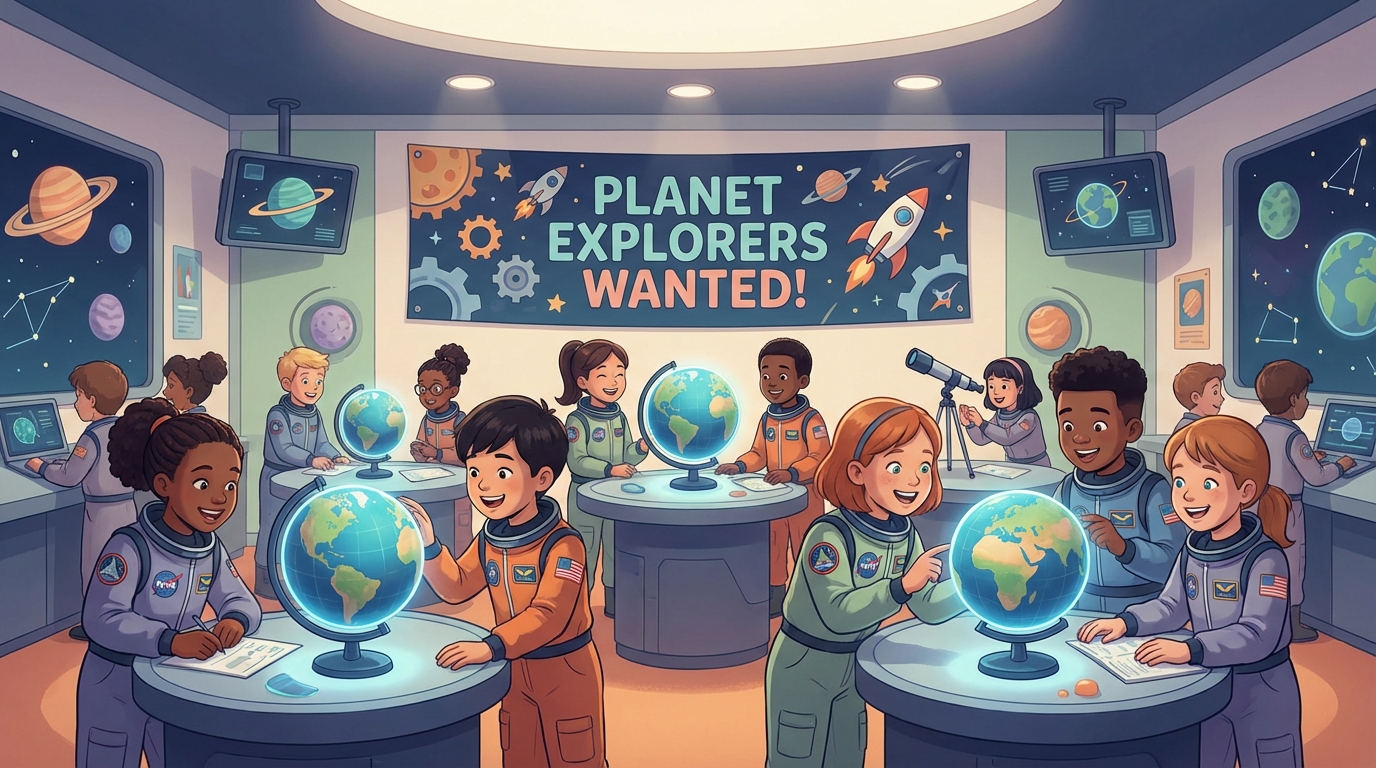
Planet Explorers Wanted!
Ready for an adventure? How about a trip across the solar system? It won’t be easy. You’ll need to be brave, curious, and know your planets! This is your astronaut training guide. Let’s get started.
Meet the Neighbors
First stop, the inner planets! These rocky worlds are closest to the sun.
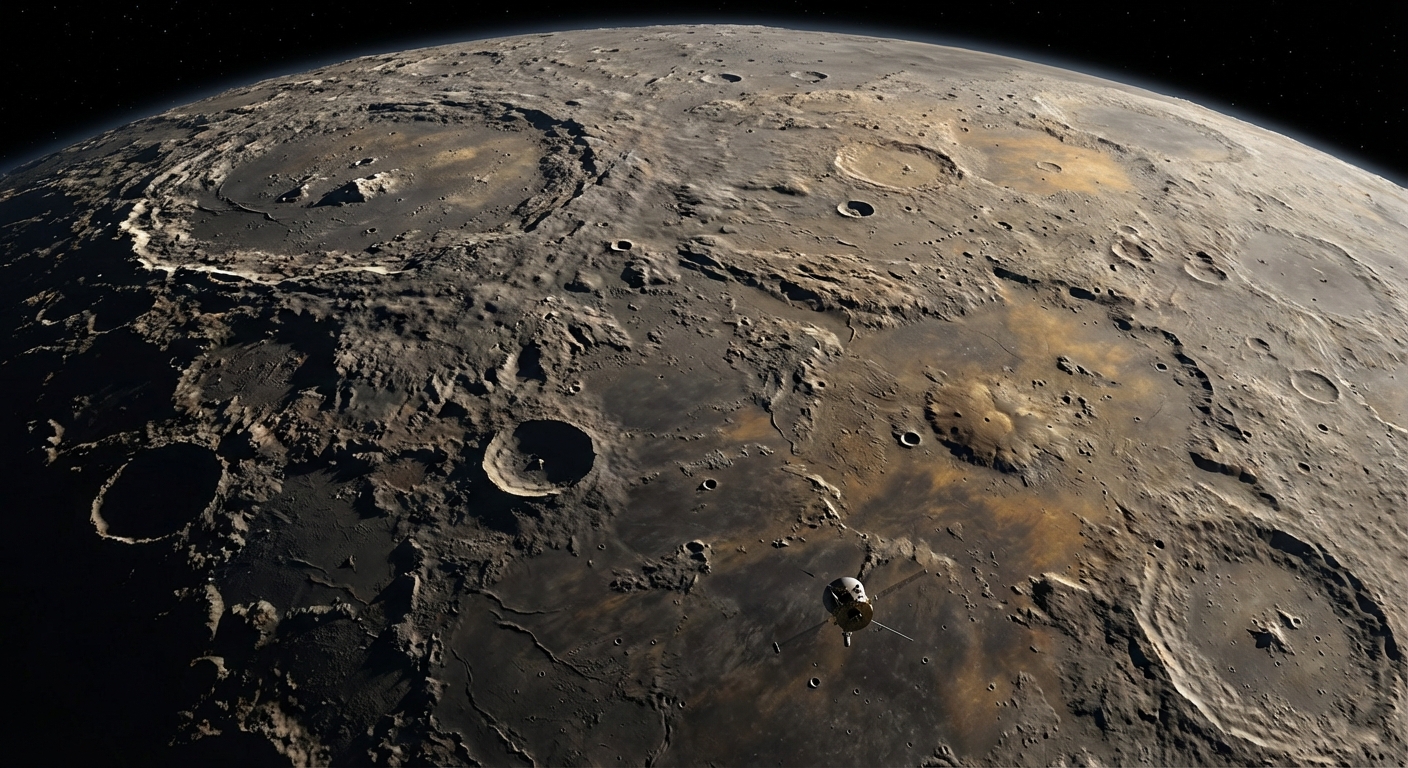
Mercury is a speedy little planet. It zooms around the sun faster than any other. Can you imagine a year lasting only 88 Earth days?
Next up, Venus. It’s super hot and covered in thick clouds. The atmosphere is so dense you wouldn’t even be able to see the surface!
Ah, Earth, our home sweet home! You know all about this one, right? It’s the only planet we know of with life!
Last but not least, Mars, the red planet! It has giant volcanoes and canyons. Olympus Mons rises roughly 22 kilometers above the surrounding plains—about two and a half times Mount Everest’s height above sea level, though the two measurements use different starting points.
The Gas Giant Games
Now we’re heading to the outer solar system, home to the gas giants!
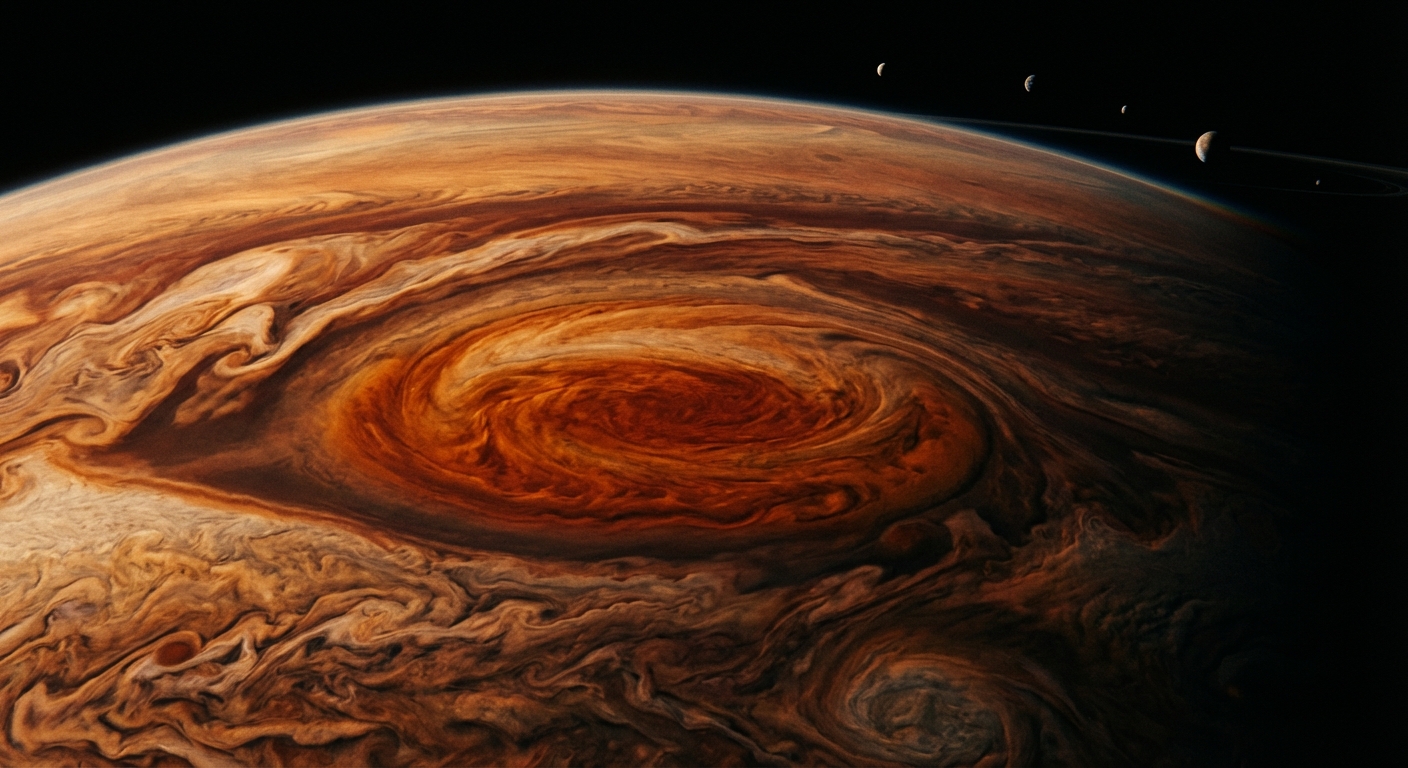
Jupiter is the biggest planet of all! It’s so massive, all the other planets could fit inside. It also has a giant red spot, which is a storm that has been raging for hundreds of years!
Then there’s Saturn, famous for its beautiful rings. Imagine taking millions of ice cubes and rocks, ranging in size from a grain of sand to a car, and spreading them out like a giant, sparkly hula hoop around a planet!
Ice World Wonders
Get your space sweaters ready, because it’s about to get chilly! We’re visiting the ice giants.
Uranus is tilted on its side, like it was knocked over! That means its poles get long periods of sunlight and darkness.
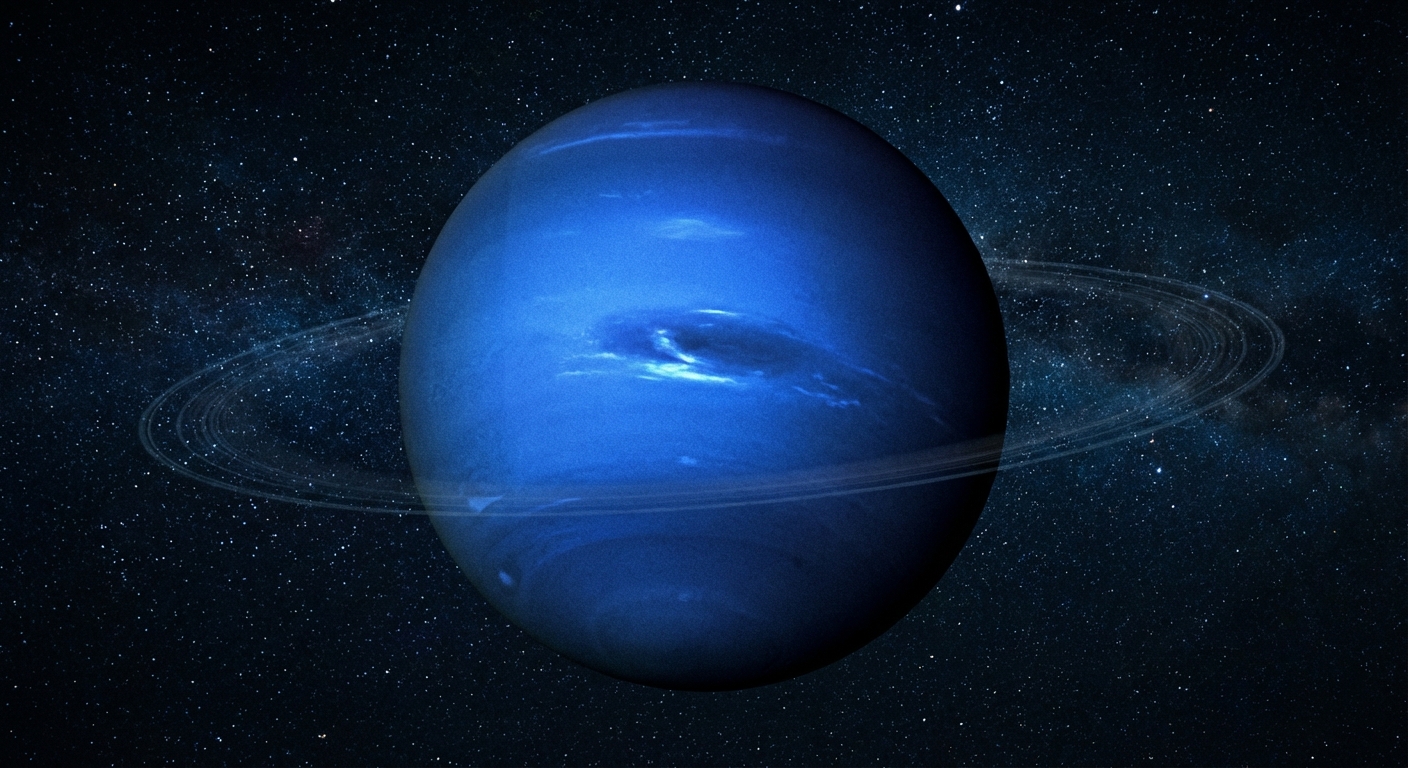
Neptune is a windy world, with super-fast storms. It’s so far away from the sun, it’s freezing cold!
Moon Mission Briefing
Planets are cool, but their moons are fascinating too! We’re going to focus on three special ones:
Europa (orbiting Jupiter): This moon is covered in ice, but scientists think there’s a huge ocean underneath! Think of the deepest part of Earth’s ocean, but covering an entire moon under a thick layer of ice! Maybe there’s even life there, like finding rare species in the Mariana Trench.
Titan (orbiting Saturn): Get this, Titan has lakes and rivers! The twist? They aren’t made of water, but liquid methane! It’s like gasoline rain.
Enceladus (orbiting Saturn): This moon shoots out icy geysers into space! It has a hidden ocean beneath its icy surface, like Europa!
Mission Control Says…
Wow, what a trip! From speedy Mercury to icy Neptune, and the amazing moons in between, the solar system is full of incredible sights and mysteries. Keep learning, keep exploring, and maybe one day, you’ll be the one making new discoveries out there!