
How Sports Teams Stay on Track: an Introduction to Sports Management
Welcome, junior coaches and curious fans! Let’s discover the behind‑the‑scenes work that helps a sports team run like a well‑oiled machine.
Every time you watch a soccer match, a basketball game, or a swimming meet, you see the athletes dazzling on the field. What you don’t see is the Sports Management team—people who plan, organize, and keep everything moving smoothly. Think of them as the “captains of the ship” who make sure the players, coaches, equipment, and money all work together.
What Is Sports Management?
Sports management is the art and science of Coordinating (bringing together) all the pieces that let a team compete.
- Coordinator – someone who arranges schedules, travel, and practice times.
- Strategist – a planner who decides the best ways to use resources.
Did You Know? The word management comes from the Latin manus (hand) and agere (to do), meaning “to handle with the hand.”
Example
A junior baseball team wants to play a tournament in another city. The manager books the bus, finds a hotel, orders meals, and makes sure the players have the right uniforms. Without this planning, the team might miss the first game!
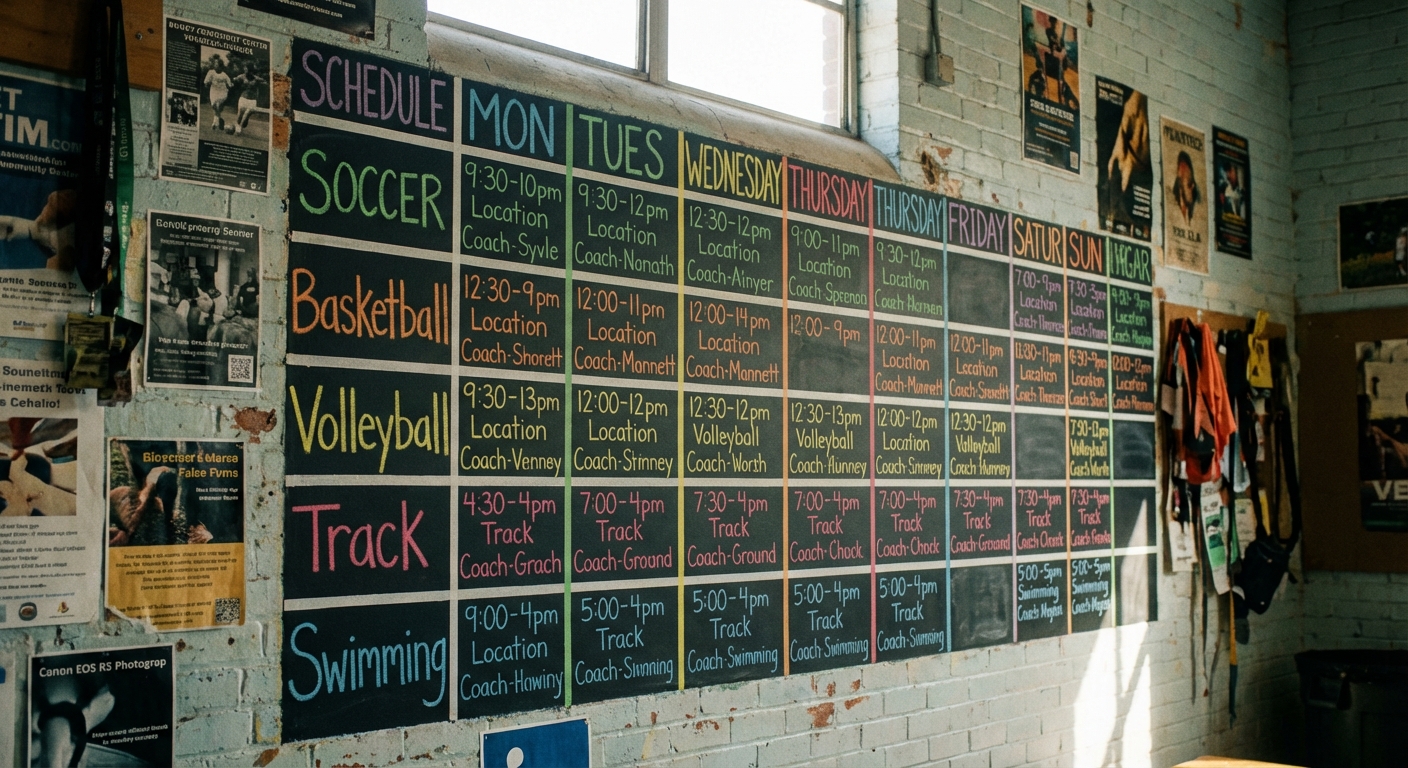
Planning Practices: Schedules & Training
Cause and Effect
- Cause: A clear practice schedule is posted.
- Effect: Players know when to train, arrive on time, and improve their skills faster.
Mini Experiment – “my Week of Practice”
- Materials: A notebook, a colored pen, and a small calendar.
- Step 1: Write down the days you usually practice a sport.
- Step 2: Add two extra “skill‑focus” slots (e.g., dribbling on Monday, shooting on Thursday).
- Step 3: Follow the plan for one week and note any changes in how well you play.
Did You Know? Professional teams use periodization—a fancy term for breaking the season into phases (pre‑season, in‑season, off‑season) to avoid burnout.
Money Matters: Budget & Resources
Why Budgets Are Important
A Budget is a plan that tells a team how much money they can spend on equipment, travel, and coaches. If a team spends too much on new jerseys, they might not have enough for field rentals.
Example
A high‑school basketball team has $2,000. They allocate $800 for new shoes, $500 for court rental, $400 for travel, and $300 for snacks. The budget keeps everything balanced.
Cause and Effect
- Cause: The team saves money by buying used equipment.
- Effect: They can afford a better coach, which can lead to more wins.
Keeping Everyone Happy: Communication & Team Culture
The Role of Communication
Clear messages between players, coaches, and managers prevent misunderstandings. A simple Team Huddle before a game can explain the game plan and boost confidence.
Cause and Effect
- Cause: A coach praises a player’s effort.
- Effect: The player feels motivated and works harder in the next practice.
Mini Experiment – “positive Message Board”
- Materials: Sticky notes and a wall space.
- Step 1: Each day, write one encouraging word for a teammate (e.g., “Great hustle!”).
- Step 2: Stick it on the board.
- Step 3: At the end of the week, read all the notes and discuss how they made the team feel.

Simple Activity: Build a Mini Team Planner
Goal: Create a one‑month planner for a pretend sports team.
- Draw A Calendar with boxes for each day.
- Add Three Layers:
- Practice Times (color‑code with a blue marker).
- Game Days (red star).
- Budget Items (green dollar sign).
- Explain why each entry is important (e.g., “Practice on Tuesday helps us improve stamina → better performance in Friday’s game”).
Share your planner with a friend or family member and ask them to spot any missing pieces!
Quick Quiz
Test what you’ve learned! Circle the correct answer or write a short answer.
-
What Is The Main Job Of A Sports Manager?
a) Scoring the most points
b) Planning schedules, budgets, and communication
c) Designing the team mascot -
Why Do Teams Create A Budget?
a) To spend as much money as possible
b) To make sure they have enough money for equipment, travel, and other needs
c) To keep the players’ families happy -
What Is One Benefit Of A “Positive Message Board”?
a) It makes the locker room look messy
b) It helps teammates feel motivated and appreciated
c) It replaces the need for practice -
(Bonus) What Does “Periodization” Mean In Sports Training?
Your answer:
Sports management may sound like a grown‑up job, but its core ideas—planning, budgeting, communicating, and caring—are things you can practice right now with your own team or even a group of friends!