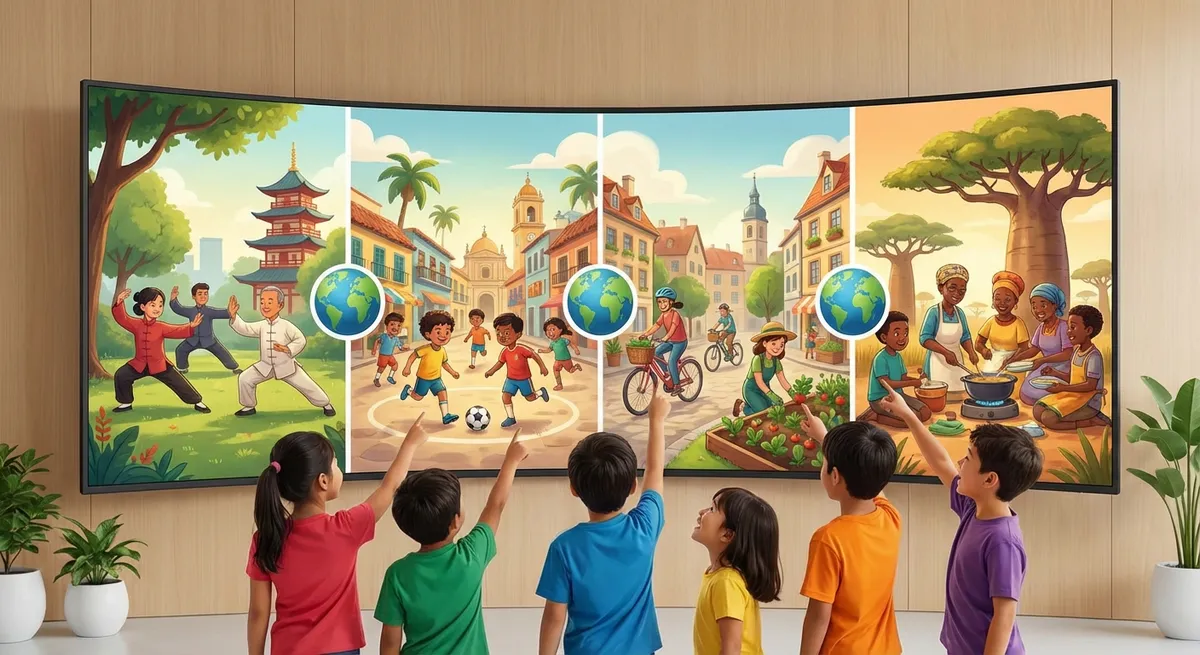
How Different Countries Keep People Healthy
Every country has its own Healthcare System – the way doctors, nurses, medicines, and hospitals work together to help people stay well. Some places use the government to pay for care, while others rely on families or private companies. Let’s travel the globe (from our classroom!) and discover how these systems work, why they’re built the way they are, and what we can learn from them.
1. Public‑funded Care: The “all‑in‑one” Model
Countries: United Kingdom, Sweden, Canada
In these nations the government collects money through taxes and uses it to pay for most health services.
- How It Works: When you feel sick, you can go to a doctor or hospital without paying a big bill at the door.
- Cause And Effect: Because the whole country shares the cost, more people can get care, which Reduces (makes smaller) the spread of disease.
- Word Spotlight: Tax – money that people give to the government so it can provide services like schools, roads, and health care.
Did You Know? In the United Kingdom, a single “NHS card” (National Health Service) lets anyone, even visitors, get emergency treatment for free!
2. Private‑insurance Systems: The “choose‑your‑plan” Approach
Countries: United States, Germany (mixed), Japan
Here, families often buy Insurance from companies. Insurance is a contract that helps pay for medical costs when you need them.
- How It Works: You pay a monthly fee (called a Premium) and the insurance company helps cover doctor visits, medicines, and surgeries.
- Cause And Effect: If many people have good insurance, doctors get paid quickly and can invest in new equipment. But if someone can’t afford a plan, they might delay getting help, which can make illnesses Worsen (get worse).
- Word Spotlight: Premium – the amount of money you pay regularly to keep your insurance active.
Did You Know? In Germany, everyone must have health insurance, but the government helps low‑income families pay for it, creating a blend of public and private support.
3. Community‑based Care: The “neighbors Helping Neighbors” Way
Countries: Rwanda, India (rural areas), Indigenous communities in Australia
These systems rely heavily on local people, community health workers, and simple clinics.
- How It Works: Trained community members travel to villages, teach families about nutrition, vaccinations, and basic first aid.
- Cause And Effect: When families learn how to prevent illness (like washing hands), fewer people get sick, which means the limited medical supplies last longer.
- Word Spotlight: Vaccination – a tiny, safe dose of a germ that teaches your body to fight the real disease later.
Did You Know? In Rwanda, a program called “Health Posts” uses solar‑powered refrigerators to keep vaccines cold, even in remote villages!
4. What Shapes a Healthcare System? (cause & Effect Chart)
| Factor | What It Does | Example |
|---|---|---|
| Money (Funding) | Determines how many doctors, beds, and medicines are available | Richer countries can build more hospitals |
| Culture & Beliefs | Influences what treatments people accept | Some cultures prefer herbal remedies |
| Geography | Affects how easy it is to reach clinics | Mountainous areas need mobile health units |
| Technology | Enables faster diagnoses and tele‑medicine (online doctor visits) | Japan uses robots to assist elderly care |
Understanding these links helps us see why one country’s system looks different from another’s.
Mini Experiment: Build a “paper Hospital” 🏥
What You Need
- Several sheets of paper (different colors)
- Sc