The Amazing Asteroid Belt 🚀
Up in space, between the planets Mars and Jupiter, there is a huge ring made of rocks and dust. This ring is called the Asteroid Belt. It looks like a giant necklace that circles the Sun!
1. What Is the Asteroid Belt?
- It is a wide area filled with millions of tiny and big rocks called Asteroids.
- The rocks are leftovers from when our Solar System was first made, over 4 billion years ago.
- The belt is very far away, so we can’t see it with our eyes from Earth, but space telescopes can picture it.
2. How Big Is It?
- The asteroid belt is a huge region between Mars and Jupiter that spans hundreds of millions of kilometers. Most of that space is empty.
- Most asteroids are small, about the size of a car, but some are as big as a tiny mountain.
3. Why Doesn’t It Crash into a Planet?
- The giant planet Jupiter pulls very strongly on the asteroids. Its gravity keeps the rocks from gathering into a new planet.
- The asteroids move in their own safe paths, like cars driving on different lanes of a highway.
4. Imagine Visiting the Belt!
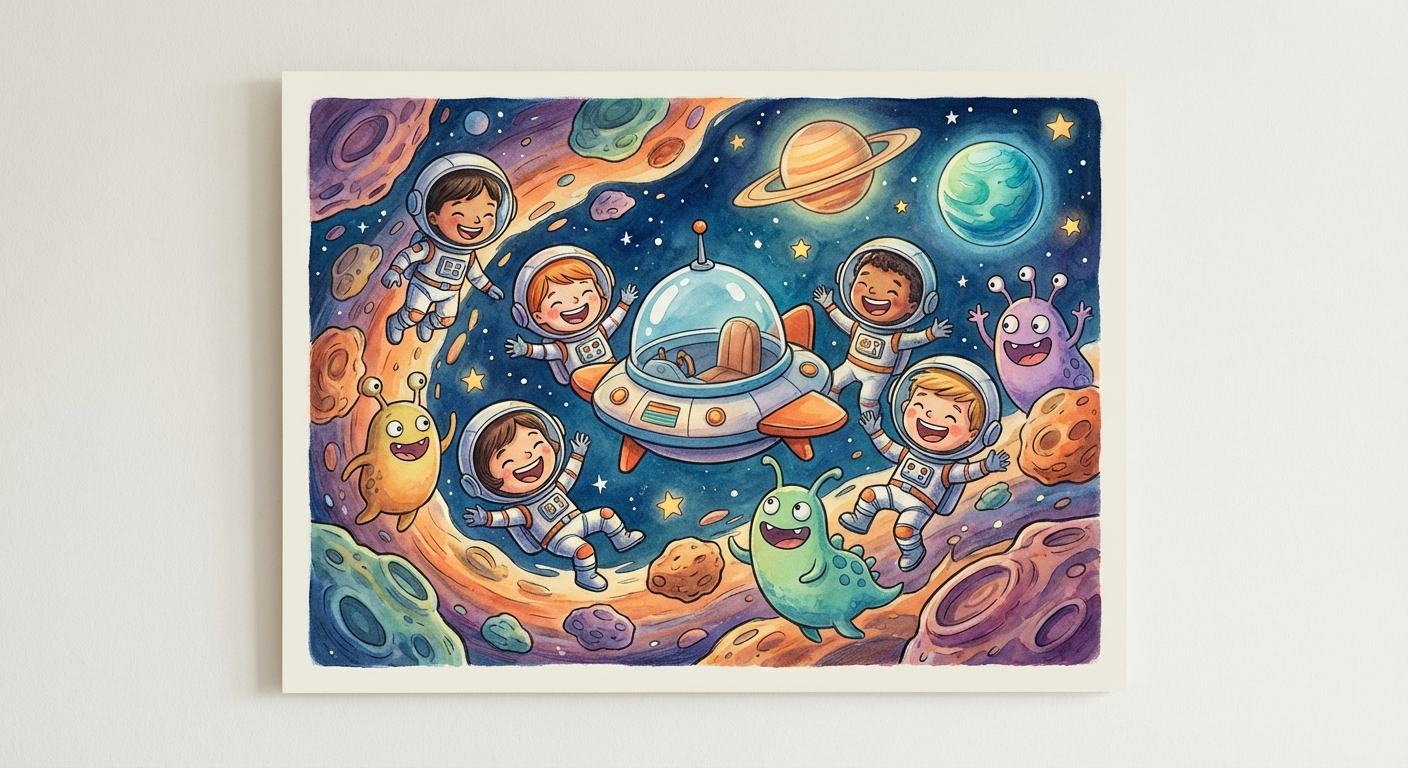
- Picture yourself in a space suit, floating among glittering rocks that sparkle like diamonds.
- Some asteroids have craters, just like the Moon, and you could hop from one rock to another (with a lot of help from a rocket!).
Did You Know?
A Single Asteroid Named “Ceres” Is The Biggest In The Belt. It Is Big Enough To Be Called A Dwarf Planet And Could Hold Enough Water Ice To Fill Many Oceans!
The asteroid belt is a wonderful, rocky playground in space. Next time you look up at the night sky, imagine the hidden ring of rocks dancing around the Sun. Keep asking questions, draw your own space pictures, and who knows—maybe you’ll become a real space explorer one day! 🌟