Sustainable Adventures: Caring for Nature
Discover how tiny actions can make a huge difference for our planet.
Every day the Earth gives us fresh air, clean water, and yummy food. But just like a pet, the planet needs care and attention. In this adventure you’ll learn new words, see how cause and effect work in nature, try a mini experiment, and find out how you can become a Eco‑Explorer in your own backyard!
1. Explore the Ecosystem
An Ecosystem is a community of plants, animals, and tiny organisms that live together and rely on each other.
- Cause & Effect: If a forest loses many trees, the animals that hide in them lose their homes, and the soil can wash away because there are fewer roots to hold it together.
- Example: In the Amazon Rainforest, the jaguar depends on dense trees for hunting. When illegal logging cuts down those trees, jaguars have fewer places to hunt and may move to other areas, upsetting the whole balance.
New Vocabulary: Biodiversity – the variety of living things in a place. Biodiversity can help ecosystems keep functioning, but ecosystem health also depends on habitat, interactions, population sizes, and environmental conditions.
2. Reduce, Reuse, Recycle
These three “R’s” are like a superhero trio for the planet.
| Action | How It Helps | Real‑World Example |
|---|---|---|
| Reduce | Uses fewer resources, so less waste is created. | Choosing a reusable water bottle instead of buying plastic ones. |
| Reuse | Gives items a second life, cutting down the need for new products. | Turning an old t‑shirt into a cleaning rag. |
| Recycle | Turns accepted old materials into new ones, often saving energy and raw materials. | Following your community’s rules for clean paper and other accepted items. |
Did You Know? Aluminum can be recycled repeatedly, but collection, sorting, contamination, alloy mixing, and processing losses mean the real system is not perfectly endless.
3. Protect Water and Soil
Water is the lifeblood of every living thing, and soil is the kitchen where plants grow.
- Cause & Effect: When we pour chemicals like fertilizer into a stream, the water can become “eutrophic,” meaning it has too many nutrients. This causes algae blooms that block sunlight, killing fish and other aquatic life.
- Mini Model: Remove Particles From Water
- Ask an adult to prepare a cut plastic bottle, or use a funnel. Add a coffee filter, clean sand, and gravel.
- Pour model “dirty water” made only from tap water and soil through it.
- Compare visible particles before and after. Never drink the result: clearer water can still contain germs or dissolved pollutants.
This shows physical filtration of some particles. Real wetlands also involve plants, microbes, soil chemistry, settling, and water flow; this model does not reproduce all those processes.
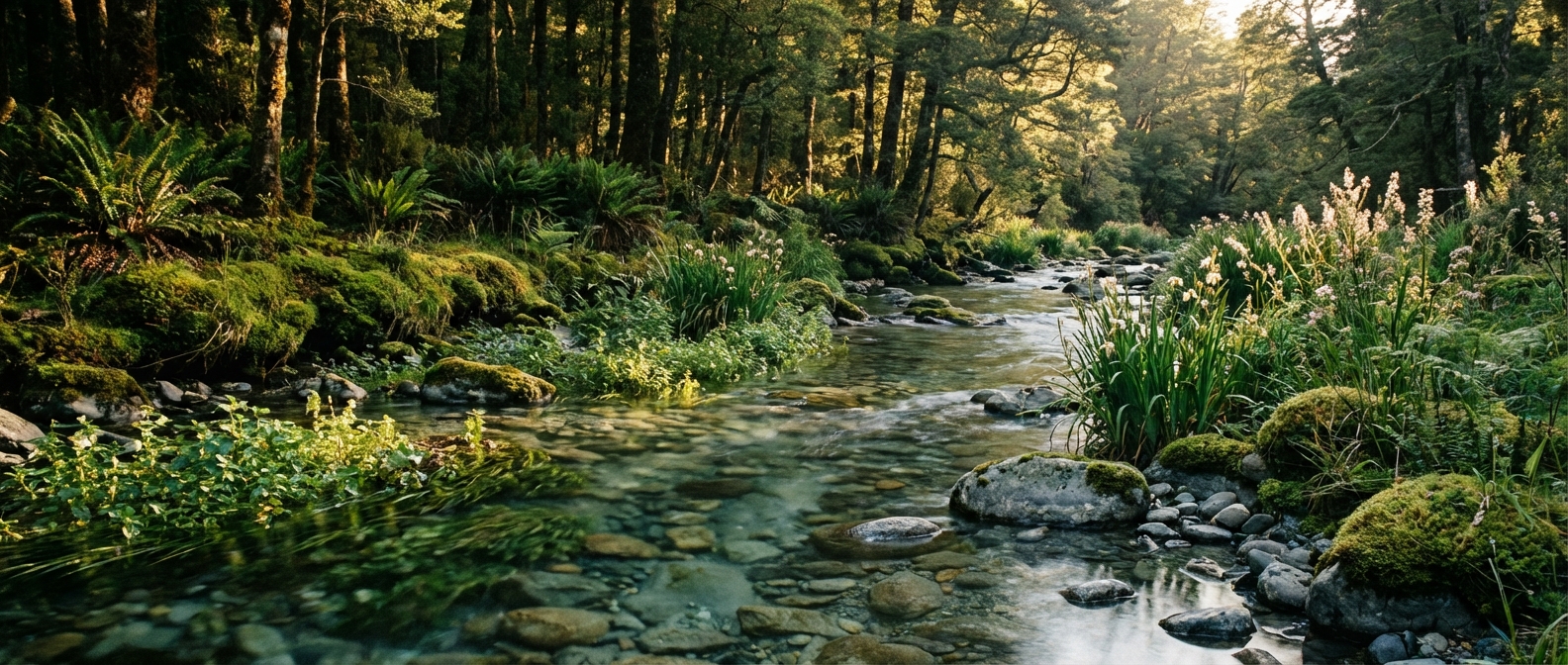
New Vocabulary: Eutrophic – water that has too many nutrients, leading to excessive plant growth and low oxygen.
4. Mini Experiments for Curious Minds
| Experiment | What You Need | What Happens |
|---|---|---|
| Seed Sprout Race | Two identical beans, two small cups, cotton balls, water. | Place a bean on a wet cotton ball in each cup. Observe which sprouts faster and discuss why light, temperature, or water amount matters. |
| Compost Worms | A small container, shredded newspaper, fruit peel, earthworms. | Over weeks, the worms turn scraps into rich soil. See the Cause (food waste) become the Effect (nutrient‑rich compost). |
These hands‑on activities turn abstract ideas into something you can see, touch, and measure.
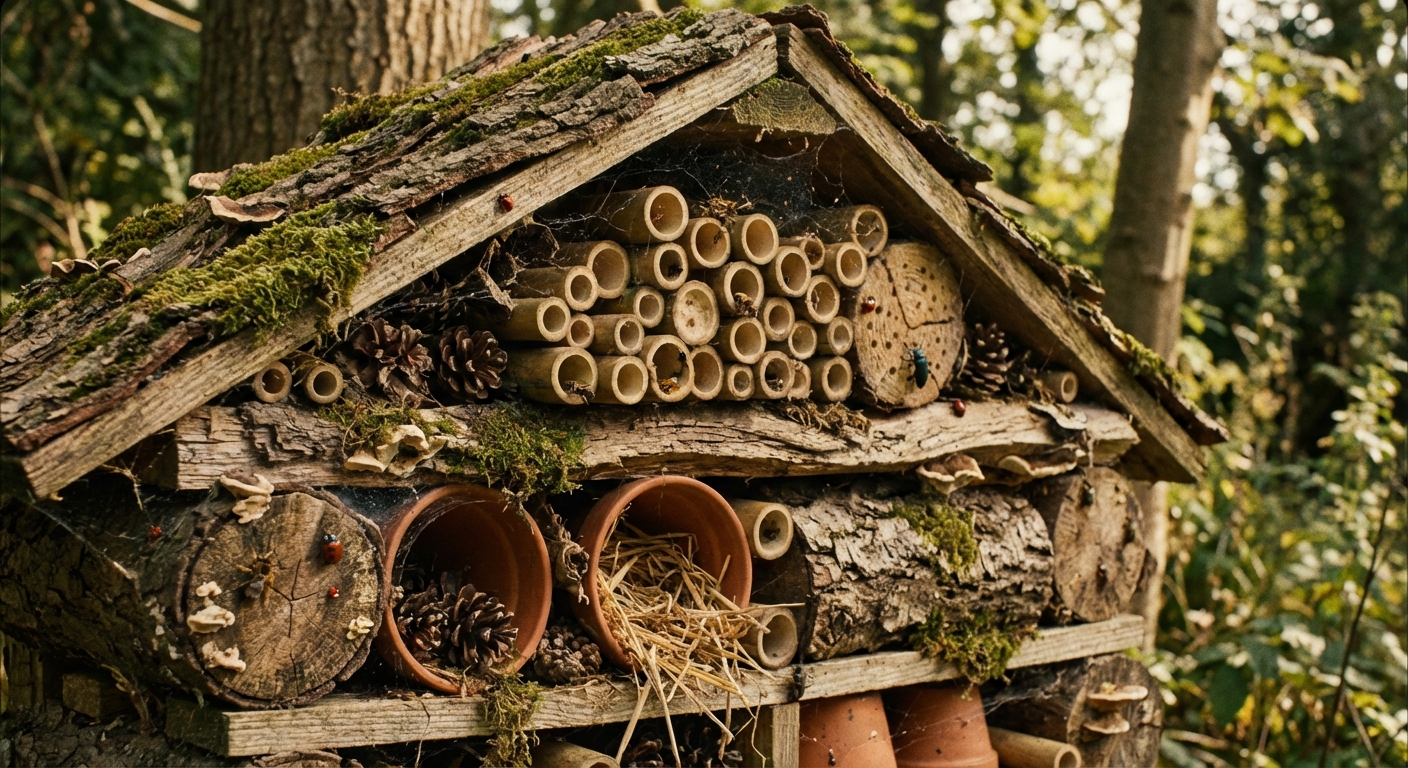
Simple Activity: Build a Backyard Bug Hotel
Materials:
- A small wooden box, or a tin can whose sharp edges an adult has safely covered
- Dry leaves, pine cones, straw, small twigs
- A piece of cardboard (to make a roof)
Steps:
- Place the cardboard roof on top to keep rain out.
- Fill the container with layers of leaves, pine cones, and straw.
- With an adult, place it in a quiet, suitable part of a garden. Check local wildlife guidance; poorly maintained insect hotels can spread mold, parasites, or disease.
Why It Works: Bugs like beetles and ladybugs love snug, dry places. By giving them a home, you help Pollination (the transfer of pollen) and natural pest control, both of which keep plants healthy.
Quick Quiz
- What Does “Biodiversity” Mean?
- List the three Rs and give one everyday example for each.
- Why must you never drink water from the filter model?
- Why Can Too Many Nutrients In A Stream Cause Problems For Fish?
- What Benefit Does A Bug Hotel Provide To A Garden?
You’ve discovered how ecosystems work, why the three Rs matter, and how simple experiments can protect water, soil, and wildlife. Every tiny habit—whether planting a seed, reusing a bottle, or building a bug hotel—adds up to big, positive change for our planet. Keep asking questions, trying new projects.